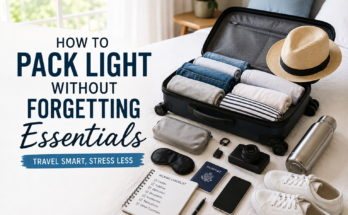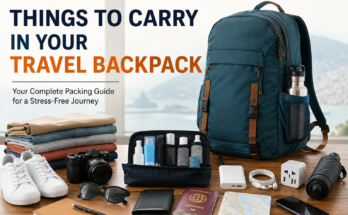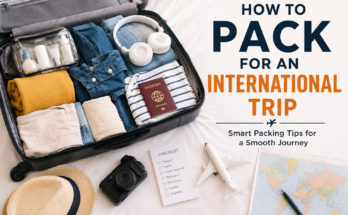
Packing clothes for travel can seem simple, but I have found that it becomes difficult when I try to fit everything into one suitcase without making it too heavy or messy. Many travelers pack more clothes than they actually need, and this often leaves little space for other important items. Learning how to pack clothes efficiently for travel can make the entire journey easier and more comfortable.
In my experience, efficient packing is not about carrying fewer clothes at any cost. It is about choosing useful clothing, organizing everything properly, and making the best use of the space inside your luggage. With a few simple packing techniques, you can save space, reduce wrinkles, and keep your clothes easy to find during your trip.
Plan Your Clothes Before Packing
One of the biggest mistakes I see people make is putting clothes directly into the suitcase without planning. I prefer to decide what I will wear before I start packing. This helps me avoid taking unnecessary clothes.
Think about your destination, weather, trip length, activities, and type of accommodation. If you are traveling for three days, you probably do not need ten complete outfits. Instead, choose clothes that can be combined in different ways.
For example, a simple pair of trousers can work with several shirts. A neutral colored jacket can also be used with different outfits. This approach gives you more options without filling your suitcase.
Make a Simple Packing List
A packing list is one of the easiest ways to pack clothes efficiently for travel. Before placing anything inside your luggage, write down the clothes you actually need.
For a short trip, your list might include shirts, trousers, underwear, socks, sleepwear, and one extra outfit. For a longer trip, you can increase the quantity based on your plans.
I also recommend checking each item before packing it. If you cannot imagine wearing something during the trip, it may not need to go into your suitcase.
Choose Versatile Clothing
When I pack for travel, I prefer clothing that can be worn in different situations. Versatile clothes are especially useful when luggage space is limited.
A simple shirt can be worn during the day and paired with a jacket for an evening outing. Comfortable trousers can work for sightseeing and casual dinners. Lightweight clothing can also be layered when the weather changes.
Choosing versatile clothing means you can create several outfits from a smaller number of pieces. This is one of the most effective ways to save suitcase space.
Rolling Clothes Can Save Space
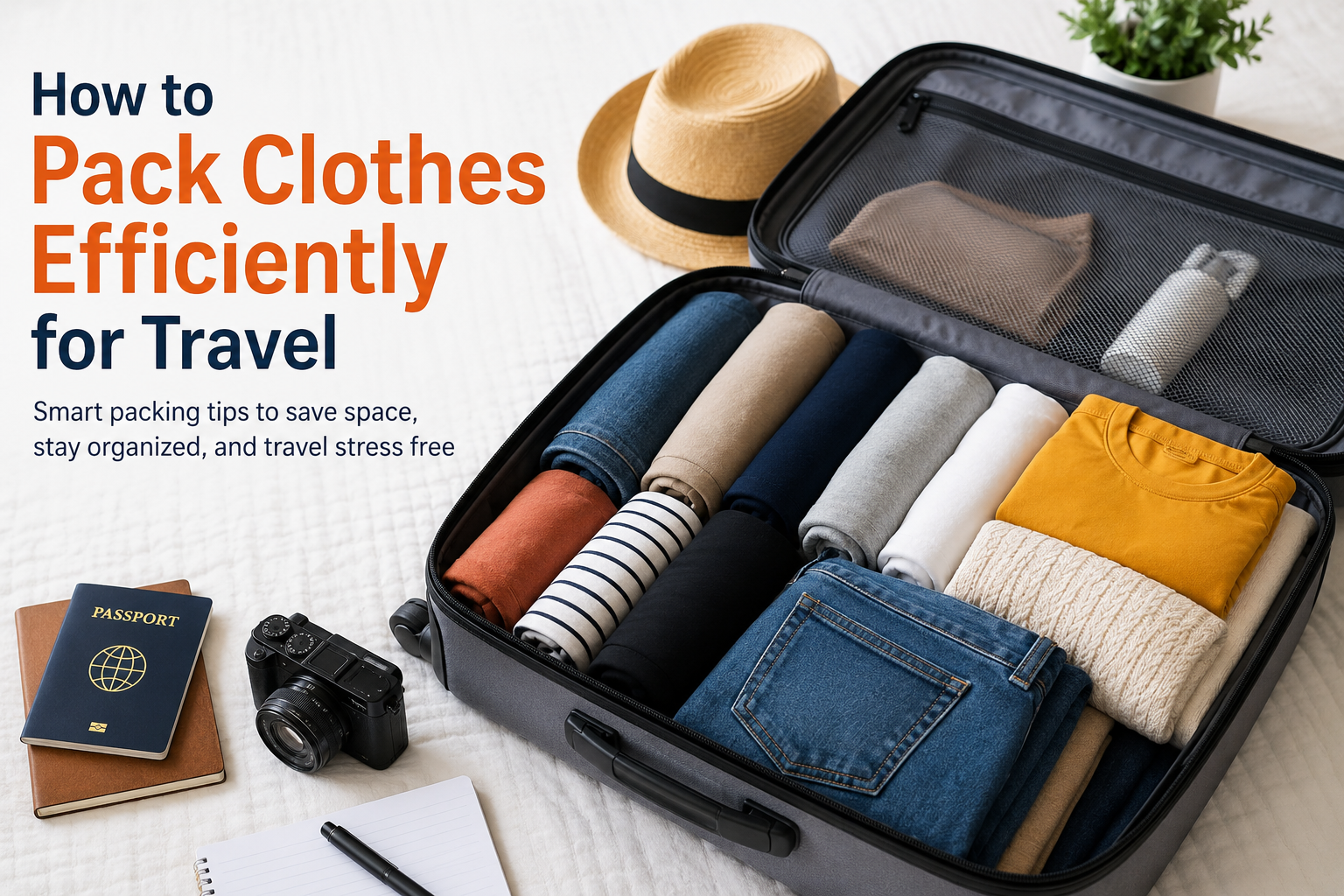
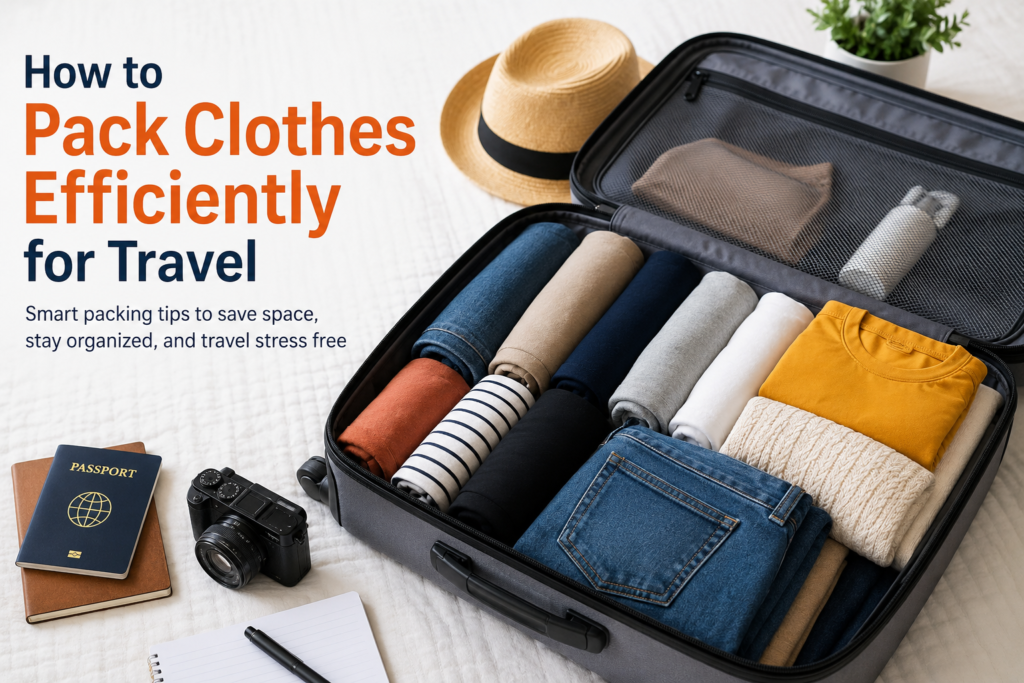
Rolling clothes is a popular travel packing technique, and I find it particularly useful for casual shirts, T shirts, sleepwear, and lightweight trousers.
Instead of folding a shirt flat, place it on a surface and roll it tightly from one end to the other. The rolled clothing can then be placed next to other rolls inside the suitcase.
Rolling can help you use small spaces that might otherwise remain empty. It also makes it easier to see your clothes when you open your luggage.
However, I do not think every item needs to be rolled. Some structured clothing can be better folded to maintain its shape.
Fold Clothes That Need More Care
Some clothing should be folded instead of rolled. Formal shirts, jackets, sweaters, and other structured garments can benefit from careful folding.
I usually fold these items neatly and place them near the top of my suitcase. This can help reduce unnecessary creasing and makes them easier to remove when I need them.
For delicate or easily wrinkled clothing, avoid pressing it into a small space. Giving these garments enough room can help keep them looking better when you arrive.
Use Packing Cubes
Packing cubes are another useful option for organizing clothes. They are small fabric containers that allow you to separate different categories of clothing inside your suitcase.
For example, you can use one cube for shirts, another for underwear and socks, and another for sleepwear. This organization makes finding specific clothes much easier.
I particularly like packing cubes because they prevent the entire suitcase from becoming disorganized. Instead of searching through every item, I can simply open the appropriate cube.
Use Every Available Space
Efficient packing means using the available space wisely. Empty spaces inside your luggage can often be used for smaller clothing items.
For example, socks can be placed inside shoes, while underwear can fit into small gaps between larger pieces of clothing. Belts can also be placed around the edges of the suitcase.
I always check the corners and spaces between larger items before closing my luggage. These small spaces can add up and provide surprisingly useful storage.
Pack Shoes Carefully
Shoes can take up a lot of suitcase space, so I try to limit the number I take. Before packing shoes, think about which pairs you will realistically wear during the trip.
A comfortable everyday pair is usually more useful than carrying several similar pairs. If you need formal shoes, choose a pair that works with multiple outfits.
To keep clothes clean, place shoes inside reusable shoe bags or clean bags. You can also use the inside of the shoes to store socks or other small clothing items.
Follow a Clothing Color Strategy
Choosing clothes that work well together can make packing much easier. I prefer simple colors that can be mixed and matched.
For example, neutral trousers can work with different colored shirts, while a simple jacket can complete several outfits. This approach prevents you from packing a separate outfit for every day.
You do not need to pack completely different clothing combinations for each day. A small collection of matching pieces can give you many practical outfit choices.
Consider the Weather
Weather should always influence how you pack. Before traveling, check the expected conditions at your destination.
For warm weather, lightweight shirts, comfortable trousers, and breathable clothing may be useful. For colder destinations, layers are often better than carrying one extremely heavy garment.
Layering allows you to adjust your clothing throughout the day. Instead of packing several bulky items, you can combine lighter pieces when temperatures drop.
Keep Important Clothing Accessible
I recommend keeping at least one complete change of clothes somewhere easy to reach. This can be especially helpful during long journeys.
If your main luggage becomes difficult to access, having basic clothing available in a smaller travel bag can make things easier. This is also useful if you arrive at your destination before you can access your main suitcase.
Keeping frequently needed items near the top of your luggage can also save time.
Do Not Overpack
Overpacking is probably the most common travel packing problem. It is easy to think that you might need something, so you put it into your suitcase just in case.
I have learned that this habit can quickly make luggage heavy and difficult to manage. Before packing an item, ask yourself whether you are likely to use it.
If you are unsure about a piece of clothing, consider leaving it at home. Most trips require practical clothing rather than a huge selection of outfits.
Leave Some Extra Space
I always recommend leaving a little space in your suitcase. A completely full suitcase may look organized before the trip, but it can become difficult to close after you buy souvenirs or other items.
Leaving some extra space also makes it easier to remove and repack clothes during the journey.
A suitcase does not need to be filled to its maximum capacity. Sometimes having a little empty space makes travel much more convenient.
Organize Clothes by Category
Another simple technique is to organize clothes according to their purpose. You can keep everyday clothing together, sleepwear together, and undergarments in another section.
This system makes your suitcase easier to manage throughout the trip. Instead of unpacking everything, you can quickly find what you need.
Good organization also helps when you are moving between hotels or destinations because you can repack your luggage faster.
Use a Simple Packing Order
The order in which you pack can also make a difference. I usually place heavier items toward the bottom of the suitcase, especially if the suitcase will be carried upright.
Shoes and heavier clothing can go near the bottom, while lighter and more delicate clothing can stay closer to the top.
Small items can then be placed into the remaining spaces. This method creates a more organized suitcase and helps prevent unnecessary movement inside the luggage.
Think About Laundry
For longer trips, you do not always need enough clothes for every single day. If laundry facilities are available, you can wash some clothing during the trip.
This allows you to pack fewer items while still having enough clean clothes.
Even for a week long vacation, planning to wash a few basic items can significantly reduce the amount of clothing you need to carry.
Final Thoughts
Learning how to pack clothes efficiently for travel can save space, reduce stress, and make your journey much more comfortable. In my opinion, the best approach is to plan your clothing before packing, choose versatile pieces, use rolling and folding techniques appropriately, and organize everything carefully.
Packing cubes, shoe bags, and smart use of empty spaces can make a noticeable difference. At the same time, avoiding unnecessary clothing is just as important as using good packing techniques.
The goal is not to create the perfect suitcase. The goal is to create a suitcase that is practical, organized, and easy to manage. Once you develop a packing routine that works for you, preparing for your next trip becomes much faster and easier.
With these simple travel packing tips, you can make better use of your luggage space and enjoy your trip without carrying unnecessary weight.