Planning a vacation is something I always look forward to because traveling gives me a chance to take a break from my normal routine, explore new places, and create memories. However, one thing that can make a vacation stressful is spending more money than expected. I have learned that a great vacation does not always require a large budget. With some planning, research, and smart decisions, it is possible to enjoy a comfortable and memorable trip without putting too much pressure on your finances.
In this article, I will share how I approach planning a budget friendly vacation, from choosing the right destination to controlling daily expenses. These simple ideas can help anyone plan an affordable vacation while still enjoying the experience.
Start With a Realistic Vacation Budget
The first thing I recommend is deciding how much you can actually afford to spend. Instead of choosing a destination first and worrying about the cost later, I prefer starting with my total vacation budget.
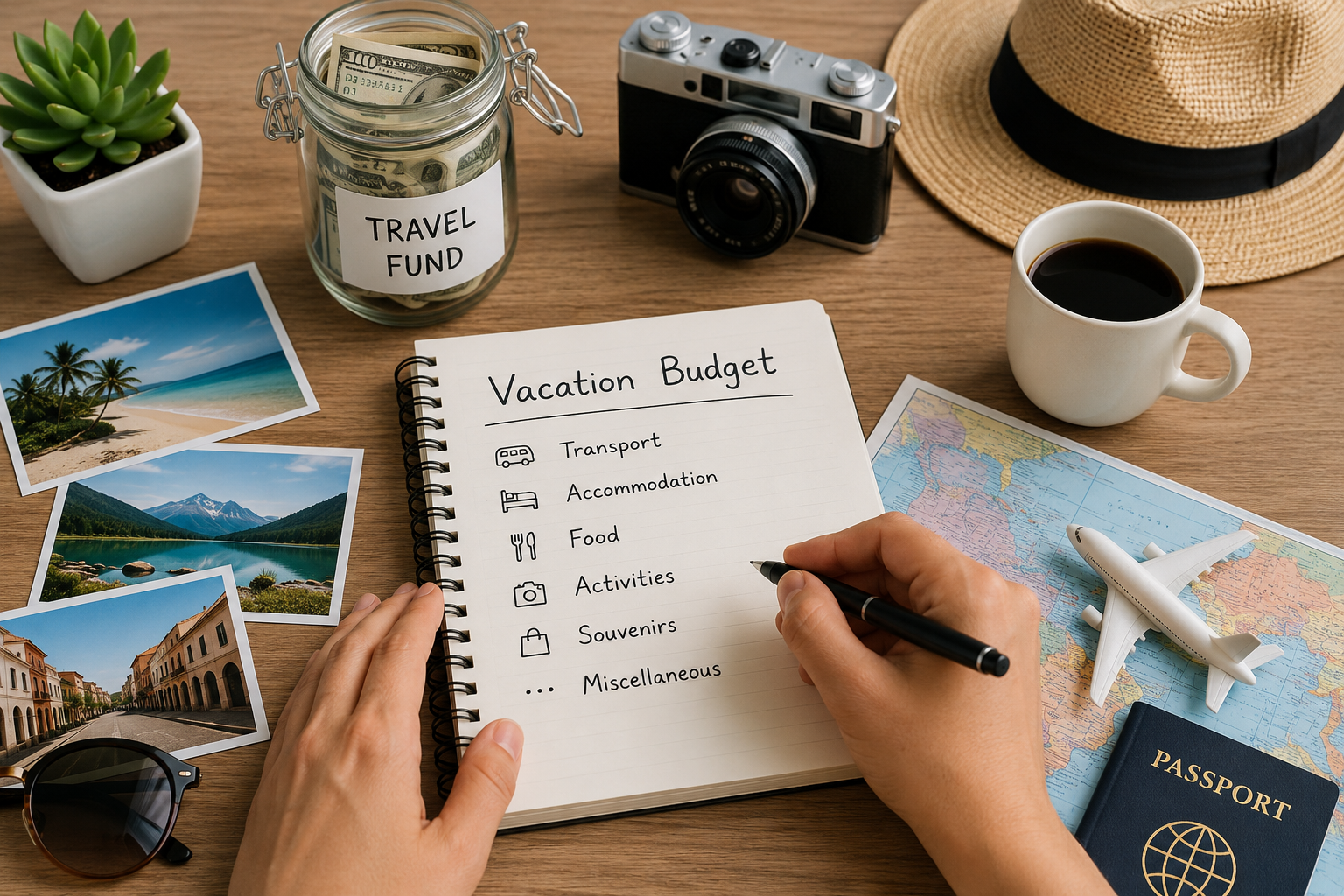
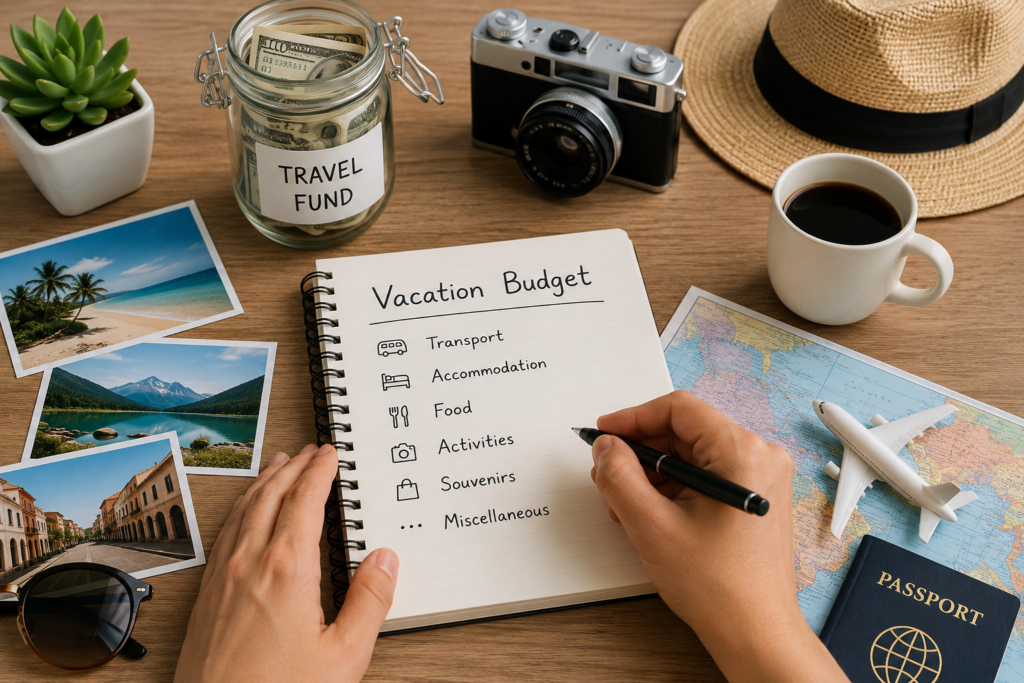
Write down the amount you are comfortable spending on the entire trip. Then divide it into different categories such as transportation, accommodation, food, activities, shopping, and emergency expenses.
For example, if your total budget is $1,000, you might decide to spend around $250 on transportation, $300 on accommodation, $200 on food, $150 on activities, and keep $100 for unexpected expenses.
The exact amounts will depend on your destination and travel style. The important thing is to have a clear spending limit before you start booking anything.
Choose an Affordable Travel Destination
Your destination can have a huge effect on your vacation cost. Some popular tourist destinations are expensive because hotels, restaurants, transportation, and attractions cost more.
When I want to travel on a budget, I look beyond the most famous destinations. Sometimes a smaller city or less popular tourist area can offer a similar experience at a much lower price.
I also consider the local cost of living. A destination with affordable accommodation and inexpensive food can make a big difference to the total cost of the trip.
You do not always need to travel internationally to have an enjoyable vacation. Exploring a beautiful location within your own country can sometimes provide an amazing experience while saving money on flights and other travel expenses.
Travel During the Off Season
One of my favorite ways to save money while traveling is choosing the right time to visit.
Prices can increase significantly during school holidays, major festivals, summer vacations, and other busy travel periods. Hotels and flights may become expensive because demand is higher.
If your schedule is flexible, consider traveling during the shoulder season or off season. You may find cheaper accommodation, less crowded attractions, and better transportation prices.
There is also another benefit. When there are fewer tourists, I often find it easier to enjoy a destination without standing in long lines or dealing with large crowds.
Before booking, check the weather and local conditions because the cheapest season is not always the best season for every destination.
Compare Transportation Options
Transportation is another major part of a vacation budget. Depending on where you are going, you may have several choices.
Compare flights, trains, buses, rental cars, and other transportation options before making a decision.
If you are traveling a short distance, a bus or train may be much cheaper than flying. For longer trips, compare different airlines and travel dates to find better prices.
I also recommend checking the total cost instead of looking only at the ticket price. A cheap flight may include additional charges for baggage, seats, or other services.
Sometimes a slightly more expensive ticket can actually be cheaper when all costs are included.
Find Budget Friendly Accommodation
Accommodation can easily become one of the biggest vacation expenses. Fortunately, there are many ways to reduce this cost.
Instead of automatically choosing a luxury hotel, consider budget hotels, guesthouses, hostels, vacation rentals, or other suitable options.
When choosing accommodation, I do not focus only on the nightly price. I also look at the location. A very cheap hotel far away from everything may cost more in transportation.
A reasonably priced hotel near public transportation, restaurants, and attractions can sometimes provide better overall value.
I also check reviews before booking. Saving money is useful, but I would never sacrifice basic cleanliness, safety, and comfort simply to save a few dollars.
Plan Your Daily Food Expenses
Food is another area where small expenses can quickly become a large part of your vacation budget.
Eating at expensive tourist restaurants for every meal can become costly. When I travel, I like to mix different options.
I may enjoy a nice local restaurant on some days while choosing affordable local food on other days. Visiting local markets and small restaurants can also provide an opportunity to experience authentic food without spending too much.
If your accommodation has a kitchen or includes breakfast, take advantage of it. Buying some basic groceries can be much cheaper than eating out three times a day.
However, I do not believe that a budget vacation means avoiding restaurants completely. Food is part of the travel experience. I simply recommend deciding how much you want to spend before ordering.
Look for Free and Low Cost Activities
You do not need to pay for an expensive attraction every day to enjoy a destination.
Many places offer free parks, public beaches, walking areas, museums, markets, cultural events, historic neighborhoods, and scenic viewpoints.
Before traveling, I like to research free things to do at my destination. This gives me more choices when I want to save money.
You can also create a simple daily plan that combines one paid activity with several free activities. This approach lets you experience popular attractions without spending your entire budget on entertainment.
Avoid Unnecessary Shopping
Shopping can easily destroy a carefully planned vacation budget.
When I travel, I try to decide beforehand how much money I want to spend on souvenirs and personal shopping. This makes it easier to avoid buying things simply because I see them while walking around.
I also compare prices before purchasing something from a tourist area. Items sold near major attractions can sometimes be more expensive than similar products available elsewhere.
A few meaningful souvenirs can be much better than buying many things that you may not use later.
Use Public Transportation When Possible
Taxis and private transportation can become expensive, especially when used several times a day.
If the destination has a reliable public transportation system, consider using buses, trains, or other affordable options.
Walking is another excellent choice when places are close together. It costs nothing and can actually make the trip more interesting because you get to see parts of a destination that you might miss while traveling in a vehicle.
Before your trip, research transportation passes and daily tickets. Sometimes buying a pass can be cheaper than purchasing individual tickets.
Create an Emergency Fund
Even when I plan everything carefully, unexpected expenses can happen during a vacation.
A flight may be delayed, transportation may cost more than expected, or you may need to pay for something that was not included in your original plan.
That is why I recommend keeping a small emergency fund separate from your normal vacation spending money.
This money should be used only when necessary. Knowing that you have some extra funds available can also make the trip less stressful.
Track Your Spending During the Trip
Creating a budget is only useful if you actually follow it.
I recommend checking your spending every day. You do not need a complicated system. A simple note on your phone can be enough.
Write down what you spend on food, transportation, activities, and shopping. At the end of each day, compare your spending with your planned budget.
If you spend more than expected one day, you can adjust your plans for the following day. This is much easier than discovering at the end of the vacation that you have spent far more than you planned.
Book Early When It Makes Sense
Booking early can sometimes help you find better prices, particularly for popular destinations and busy travel periods.
However, I do not recommend booking the first option you see. Compare prices and understand the cancellation conditions before paying.
Early planning also gives you more accommodation choices. Waiting until the last moment can leave you with expensive options, especially during peak travel periods.
Pack Carefully
Packing may not seem like a major financial issue, but it can affect your vacation budget.
For example, some airlines charge extra baggage fees. Bringing unnecessary items can also encourage you to buy additional luggage or pay for extra weight.
I prefer making a simple packing plan and taking only what I genuinely need. Essential clothing, toiletries, documents, medications if needed, chargers, and other important travel items should be prepared before leaving home.
Good packing can also prevent unnecessary purchases during the trip.
Be Flexible With Your Plans
One of the biggest lessons I have learned about budget travel is that flexibility can save money.
If you are flexible about your travel dates, destination, transportation, or accommodation, you may discover better deals.
Instead of saying that I must travel on one specific date, I sometimes compare nearby dates. Even changing a trip by one or two days can make a difference.
Flexibility also makes the vacation more enjoyable because you are not constantly trying to follow an expensive schedule.
Final Thoughts
Planning a budget friendly vacation does not mean removing all the fun from your trip. For me, it means spending money carefully on the things that matter most while avoiding unnecessary expenses.
The key is to create a realistic budget, choose an affordable destination, compare transportation and accommodation, control food and shopping expenses, and keep some money aside for emergencies.
A successful vacation is not measured by how much money you spend. It is about the experiences you have, the places you discover, and the memories you bring home.
With a little research and preparation, anyone can plan an affordable vacation. I believe that smart travel planning gives you the freedom to enjoy your trip without worrying constantly about your bank balance. The goal is simple: travel within your means, make thoughtful choices, and enjoy every part of the journey.
Primary Keyword: How to Plan a Budget Friendly Vacation
Secondary Keywords: budget friendly vacation, affordable vacation planning, budget travel tips, cheap vacation ideas, affordable travel tips, vacation budget planning, how to save money on vacation