Traveling is one of my favorite ways to learn about new places, meet different people, and experience life outside my normal routine. However, many people believe that traveling always requires a lot of money. I used to think the same way, but with better planning, I have learned that it is possible to enjoy a memorable trip even with a small budget.
The key is not to avoid spending money completely. Instead, it is about spending wisely and knowing where your money can make the biggest difference. In my experience, small choices related to transportation, accommodation, food, activities, and timing can make a surprisingly large difference to the total travel cost.
If you are wondering how to travel on a small budget, these are some practical ideas that can help you enjoy your trip without putting too much pressure on your wallet.
Plan Your Trip Before You Leave
One of the easiest ways to save money while traveling is to plan ahead. I always prefer to have a basic idea of where I am going, where I will stay, how I will travel around, and what I want to see.
You do not need to plan every minute of your trip. A simple travel plan is enough. Check transportation prices, accommodation options, local attractions, and food costs before leaving home.
Planning also helps prevent unnecessary spending. When I know my approximate daily budget, I am less likely to spend too much on things that are not important to me.
Choose an Affordable Destination
Your destination has a major effect on your travel budget. Some cities and countries are naturally more expensive than others.
If your budget is limited, consider destinations where accommodation, food, and local transportation are affordable. You can also explore less popular cities instead of famous tourist destinations.
For example, instead of staying in the most expensive area of a popular city, you can choose a nearby town and use public transportation to visit the main attractions.
In my opinion, an affordable destination does not mean a boring destination. Many less famous places offer beautiful scenery, interesting culture, local food, and memorable experiences.
Travel During the Off Season
Traveling during peak season can become expensive very quickly. Flights, hotels, and attractions often cost more when large numbers of tourists are visiting.
If your schedule is flexible, consider traveling during the off season or shoulder season. Prices can be lower, tourist attractions may be less crowded, and you can often enjoy a more relaxed experience.
Before booking anything, I recommend checking the typical busy and quiet periods for your destination. A small change in travel dates can sometimes save a significant amount of money.
Compare Transportation Prices
Transportation can take a large part of a travel budget, especially when traveling long distances. This is why I always compare different options before booking.
Depending on the destination, you might have several choices such as buses, trains, shared transportation, or flights.
A flight may be faster, but a bus or train might be much cheaper. On the other hand, sometimes an early flight can cost less than other transportation options.
Do not automatically choose the cheapest option either. Consider the total cost, including transportation to and from airports or stations, baggage fees, and other charges.
The best option is usually the one that gives you a good balance between price, time, and convenience.
Stay in Budget Friendly Accommodation
Accommodation is another major travel expense. Fortunately, you do not always need an expensive hotel to have a comfortable trip.
Depending on your destination and personal preferences, you can consider budget hotels, guesthouses, hostels, homestays, or simple private rooms.
When choosing accommodation, I recommend looking beyond the room price. Location is also important.
A very cheap hotel far away from everything may cost more in the long run because you will spend extra money on transportation. Sometimes paying slightly more for a central location can actually save money.
I also recommend reading recent reviews before booking. A low price is not useful if the accommodation creates other problems during your trip.
Eat Like a Local
Food is one of the best parts of traveling, but restaurant meals can quickly increase your expenses.
One of my favorite ways to save money is to eat where local people eat. Local restaurants, small food shops, markets, and street food areas can often offer delicious meals at reasonable prices.
You do not have to eat expensive food every day to experience local cuisine. In fact, some of my most enjoyable food experiences have come from simple local places.
If your accommodation has a kitchen or basic cooking facilities, preparing some of your own meals can also reduce your food expenses.
Another simple habit is carrying a reusable water bottle. Buying bottled water several times a day may seem like a small expense, but these costs can add up during a longer trip.
Create a Daily Travel Budget
Before starting your trip, decide how much you can comfortably spend each day.
For example, you can divide your budget into categories such as accommodation, food, transportation, activities, and emergency expenses.
I find this approach useful because it gives me a clear idea of where my money is going.
If I spend less than expected on food one day, I may have some extra money available for an activity the next day. The goal is not to follow the budget perfectly but to understand your spending.
It is also smart to keep a small emergency amount separate from your regular daily budget.
Look for Free Things to Do
You do not need to pay for every activity to have a great travel experience.
Many destinations offer free parks, walking areas, beaches, viewpoints, public markets, cultural events, museums on selected days, and historic neighborhoods.
Walking around a city can be an experience by itself. You can discover local streets, architecture, small shops, and interesting places that may not appear in a typical tourist guide.
Before your trip, search for free things to do at your destination. You may be surprised by how many enjoyable experiences are available without spending much money.
Avoid Unnecessary Tourist Expenses
Tourist areas often have expensive restaurants, souvenir shops, private tours, and activities designed specifically for visitors.
I am not saying you should avoid everything touristy. Some attractions are absolutely worth paying for. The important thing is to decide what is genuinely valuable to you.
Instead of buying every souvenir or joining every activity, choose a few experiences that you will actually remember.
For me, meaningful experiences are more important than collecting expensive items. A beautiful view, a local meal, or a conversation with someone can sometimes become a better memory than something I bought in a souvenir shop.
Use Public Transportation
Taxis and private transportation can be convenient, but using them regularly can become expensive.
Whenever possible, I prefer public transportation such as buses, trains, metro systems, and shared transportation.
Before traveling, learn how the local transportation system works. Check ticket prices, routes, operating times, and payment methods.
Walking is another excellent option when the destination is safe and the distance is reasonable. It saves money and gives you an opportunity to experience the area at a slower pace.
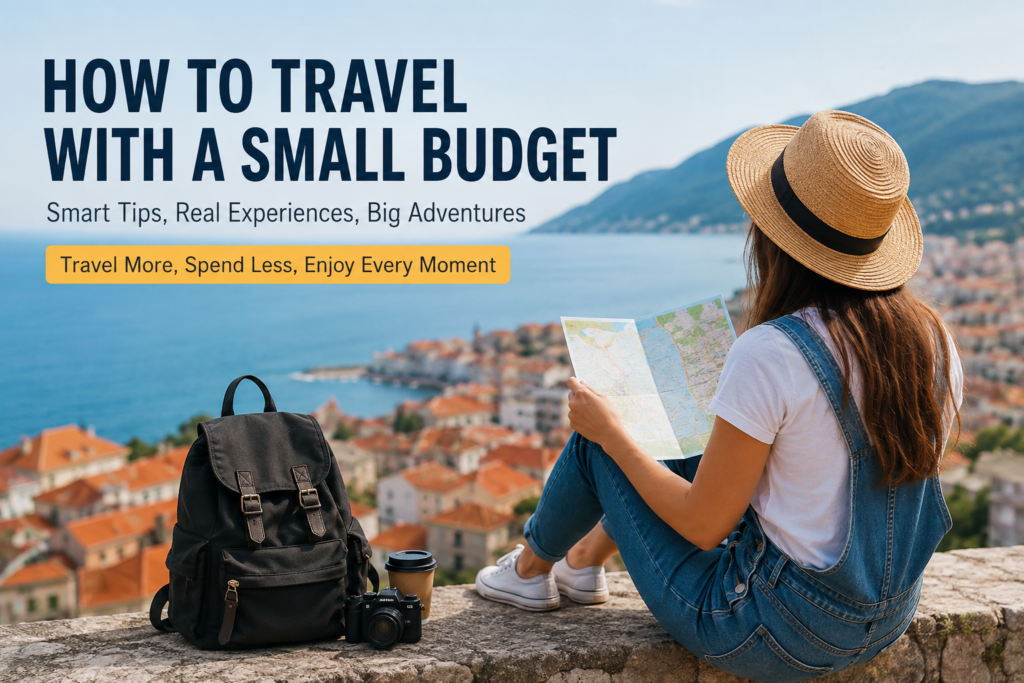
Pack Smartly
Packing properly can also help you save money. Forgetting important items may force you to buy replacements during your trip.
I try to pack practical clothing, basic toiletries, comfortable shoes, necessary electronics, and any items that may be expensive to purchase at the destination.
At the same time, avoid overpacking. Extra baggage can sometimes create additional transportation costs.
A simple, lightweight bag can make moving between different places easier and more comfortable.
Use Travel Apps and Online Research
Technology can make budget travel much easier. Before traveling, I usually research transportation, accommodation, restaurants, attractions, and local prices online.
Travel websites and apps can help you compare different options and find useful information about a destination.
However, I recommend checking information from multiple sources rather than trusting the first result you see.
Local travel communities and recent reviews can also provide useful insights about prices and places that may not be included in traditional travel guides.
Be Flexible With Your Plans
Flexibility can be one of the biggest advantages when traveling with a small budget.
If your travel dates are flexible, compare different days before booking transportation. If you are flexible about where you stay, compare several neighborhoods.
Sometimes changing your plan by one or two days can make a significant difference in cost.
I have found that being flexible also makes travel more enjoyable because I am not constantly trying to follow a strict schedule.
Keep Some Money for Emergencies
When creating a small travel budget, do not spend every dollar on planned activities.
Unexpected expenses can happen. You might need transportation you did not expect, replace something you lost, or deal with a change in your travel plans.
Having a small emergency fund gives you peace of mind.
I believe this is one of the most important budget travel tips because saving money is useful only when the trip remains comfortable and safe.
Final Thoughts
Traveling with a small budget is completely possible if you are willing to plan carefully and make smart choices. You do not need luxury hotels, expensive restaurants, or costly activities to enjoy a memorable trip.
In my experience, the best approach is to focus on what actually matters to you. Choose an affordable destination, travel at the right time, compare transportation, stay somewhere practical, eat local food, use public transportation, and look for free experiences.
Most importantly, do not feel that a small budget means you have to miss out on everything. Budget travel can actually encourage you to explore more creatively and experience a destination in a more authentic way.
The purpose of traveling is to create memories, discover new places, and enjoy experiences. With good planning and a realistic budget, you can do all of that without spending more money than you can comfortably afford.