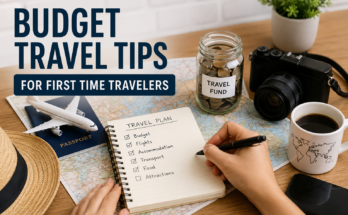
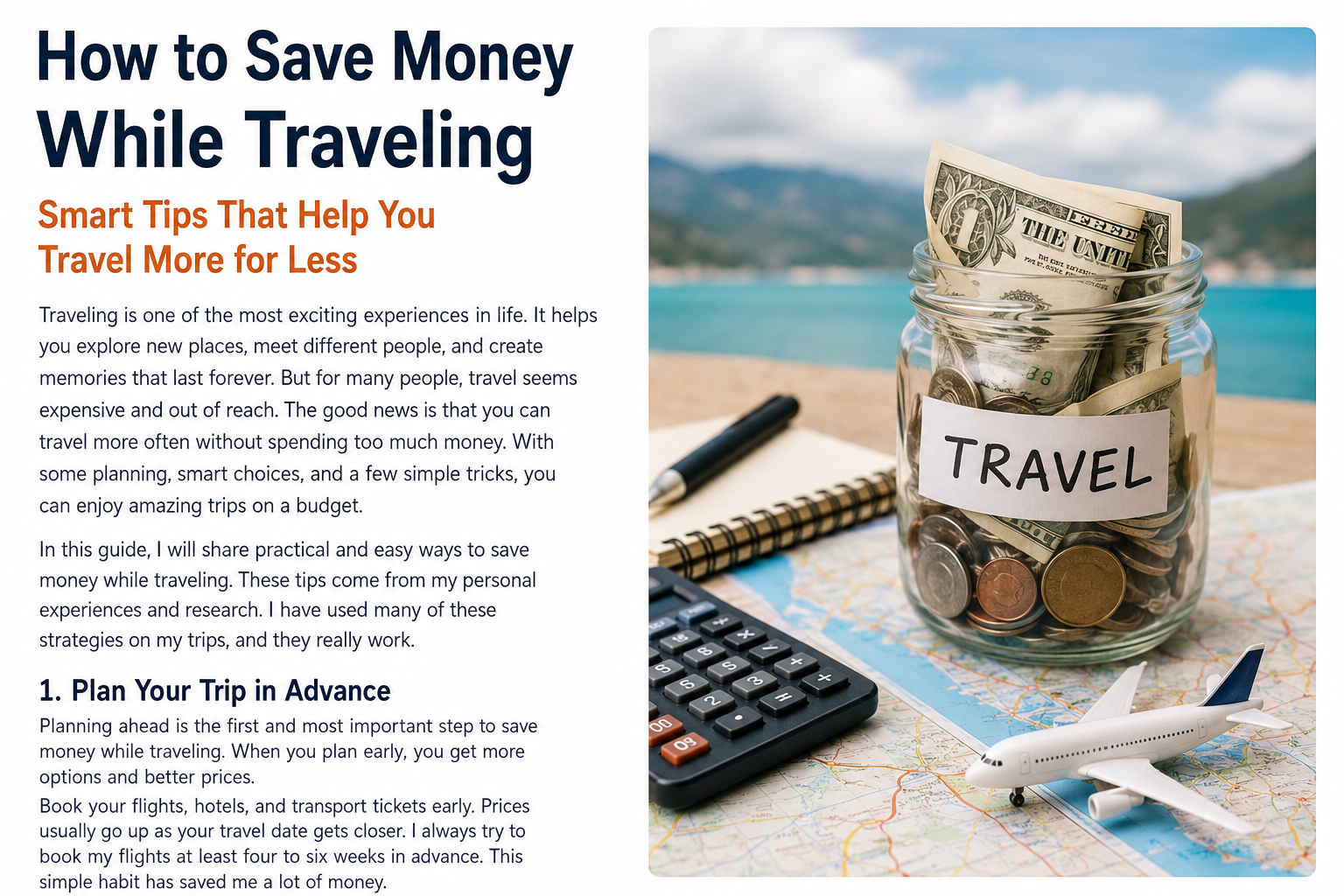
Traveling is one of the best ways to experience new places, meet different people, and create memories that stay with us for years. However, one thing that often stops people from traveling more is the cost. Flights, hotels, food, transportation, and activities can quickly become expensive if you do not plan carefully.
In my experience, saving money while traveling does not mean avoiding everything enjoyable. It is more about making smart choices and knowing where your money is going. With a little planning, I believe almost anyone can enjoy a great trip without spending more than necessary.
In this article, I will share some practical tips on how to save money while traveling. These ideas are simple, realistic, and useful for both short trips and longer vacations.
Plan Your Trip in Advance
One of the easiest ways to save money while traveling is to plan your trip early. When I plan ahead, I usually have more choices and can compare different prices before making a decision.
Flight and hotel prices can change frequently. Booking too close to your travel date may leave you with fewer affordable options. I prefer to check prices several weeks or even months before my trip whenever possible.
Planning early also gives me enough time to research transportation, attractions, restaurants, and accommodation. Instead of making expensive decisions at the last minute, I can choose options that fit my budget.
Travel During the Off Season
Traveling during the off season can make a major difference to your travel budget. Popular destinations are usually more expensive during holidays, school vacations, and peak tourist months.
If your schedule is flexible, consider visiting a destination during a quieter period. Hotels may offer better prices, flights can sometimes be more affordable, and tourist attractions may be less crowded.
Another advantage is that you can enjoy a more relaxed experience. In my opinion, traveling when a destination is less crowded can sometimes make the trip even better.
Compare Flight Prices
Flights can be one of the biggest parts of a travel budget, so I never recommend booking the first flight I find. Before buying a ticket, compare different airlines, departure dates, and flight times.
Sometimes changing your travel date by one or two days can reduce the price significantly. You can also consider nearby airports if they are practical for your trip.
I also pay attention to what is included in the ticket price. A cheap flight may become expensive after adding baggage, seat selection, and other fees. The cheapest advertised price is not always the cheapest overall option.
Choose Affordable Accommodation
Accommodation is another major travel expense. Fortunately, there are many ways to reduce this cost.
Instead of automatically choosing an expensive hotel, compare different types of accommodation. Depending on your destination, you might consider budget hotels, guesthouses, hostels, apartments, or other suitable options.
I usually focus on location, cleanliness, safety, and reviews rather than simply choosing the most expensive place. A comfortable and clean room does not always have to be luxurious.
If you are traveling with family or friends, sharing an apartment or larger room can sometimes reduce the cost per person.
Stay Slightly Outside Tourist Areas
Hotels and restaurants located directly in popular tourist areas can be expensive. Sometimes staying a little farther away can save money.
Before booking accommodation, I check how easy it is to reach the main attractions. If public transportation is affordable and convenient, staying outside the busiest tourist zone may be a smart choice.
However, I would not recommend staying so far away that transportation costs and travel time cancel out the savings. The goal is to find a balance between price and convenience.
Use Public Transportation
Transportation costs can become surprisingly high during a trip. Taxis and private rides are convenient, but using them for every journey can quickly consume your budget.
Whenever possible, I prefer public transportation such as buses, trains, or metro systems. Many cities offer daily or weekly passes that can be cheaper than paying for individual rides.
Walking is another excellent option when the destination is safe and the distance is reasonable. Walking can save money while also allowing you to discover streets, shops, parks, and local neighborhoods that you might otherwise miss.
Eat Like a Local
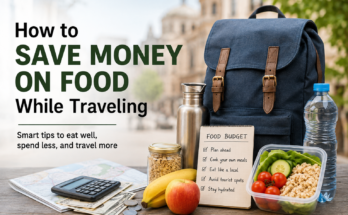
Food is one of the most enjoyable parts of traveling, but eating at expensive tourist restaurants every day can become costly.
One of my favorite ways to save money while traveling is to eat where local people eat. Local restaurants, markets, cafes, and small food shops often provide delicious meals at more reasonable prices.
I also avoid eating every meal in areas directly next to major tourist attractions. Prices there can be higher because of the location.
This does not mean you should never visit a famous restaurant. I believe it is perfectly fine to enjoy special meals during a trip. The important thing is to balance expensive meals with affordable ones.
Carry a Reusable Water Bottle
Buying bottled water several times a day may seem like a small expense, but those small purchases can add up during a long trip.
When possible, I carry a reusable water bottle and refill it from a safe drinking water source. This can reduce unnecessary spending and also help reduce plastic waste.
Before traveling, check whether tap water is safe to drink at your destination. If it is not, use an appropriate safe water option.
Avoid Unnecessary Travel Shopping
Shopping can easily destroy a travel budget, especially when you visit places with attractive souvenirs and local products.
I like to decide in advance how much I am comfortable spending on souvenirs. This helps me avoid buying things simply because they look interesting at the moment.
Instead of purchasing something from every tourist shop, I prefer to choose a few meaningful items. A small souvenir with a personal connection can be much more valuable than a bag full of things I may never use.
Look for Free Activities
You do not have to pay for every activity to enjoy a destination. Many cities offer free attractions, parks, walking areas, public beaches, museums on selected days, cultural events, and beautiful viewpoints.
Before my trip, I like to search for free things to do. This gives me more options when I want to enjoy the destination without spending money.
Exploring a local neighborhood, walking through a public park, visiting a free cultural attraction, or enjoying a scenic view can create some of the best travel memories.
Set a Daily Travel Budget
Creating a daily travel budget is one of the simplest ways to control spending.
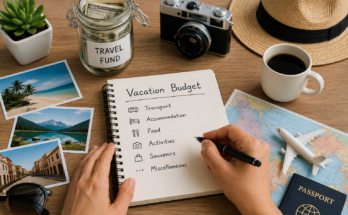
Before leaving, I estimate how much I can comfortably spend on accommodation, food, transportation, activities, and shopping. Then I try to stay within those limits.
I do not believe a travel budget needs to be extremely strict. I usually leave some room for unexpected expenses because things do not always go according to plan.
A simple daily spending limit can help you understand whether you are spending too much early in the trip.
Use Travel Apps and Price Comparison Tools
Technology can make budget travel much easier. There are many apps and websites that help travelers compare flights, hotels, transportation, restaurants, and activities.
I recommend comparing prices before making major purchases. However, I also pay attention to additional fees, cancellation policies, and customer reviews.
A slightly more expensive option with flexible cancellation may sometimes be better than a cheaper option with strict conditions.
Avoid Foreign Transaction Fees
When traveling internationally, payment fees can become an overlooked expense. Depending on your bank or card provider, you may be charged for foreign transactions or currency conversion.
Before traveling abroad, I check the fees associated with my cards and payment methods. Understanding these charges can help avoid unpleasant surprises.
It is also useful to know the local currency and understand approximate exchange rates. This makes it easier to recognize whether you are getting a reasonable price.
Keep Emergency Money Separate
Saving money while traveling is important, but I believe you should always have money available for unexpected situations.
Medical expenses, transportation problems, lost belongings, or sudden changes in plans can happen. I recommend keeping an emergency amount separate from your regular daily spending money.
This does not mean you need to carry a huge amount of cash. A combination of secure payment methods and an emergency reserve can provide extra peace of mind.
Travel Light When Possible
Packing light can sometimes save money too. Some airlines charge additional fees for checked baggage, while heavy luggage can also make transportation more difficult.
I try to pack only the things I actually need. Before leaving, I check the weather and plan my clothing accordingly.
Traveling with less luggage can also make it easier to use public transportation and move between hotels without paying for extra assistance.
Be Careful With Tourist Traps
Popular tourist destinations often have businesses designed specifically for visitors. Some can be excellent, but others may charge much higher prices for ordinary products and services.
Before paying for an activity, restaurant, souvenir, or transportation service, I like to compare prices and read reviews.
A few minutes of research can prevent unnecessary spending and help you find better experiences.
Final Thoughts
Learning how to save money while traveling is not about making your trip boring or uncomfortable. For me, it is about spending money on the things that actually matter and avoiding expenses that do not add much value to the experience.
Planning ahead, comparing prices, traveling during the off season, choosing affordable accommodation, using public transportation, eating local food, and finding free activities can all help reduce travel expenses.
The most important thing is to create a travel budget that matches your situation. You do not need to copy someone else’s spending habits. Start with what you can comfortably afford and plan your trip around that amount.
I believe traveling becomes much more enjoyable when you are not constantly worried about money. With smart planning and a little discipline, it is possible to explore new places, enjoy meaningful experiences, and still keep your travel expenses under control.