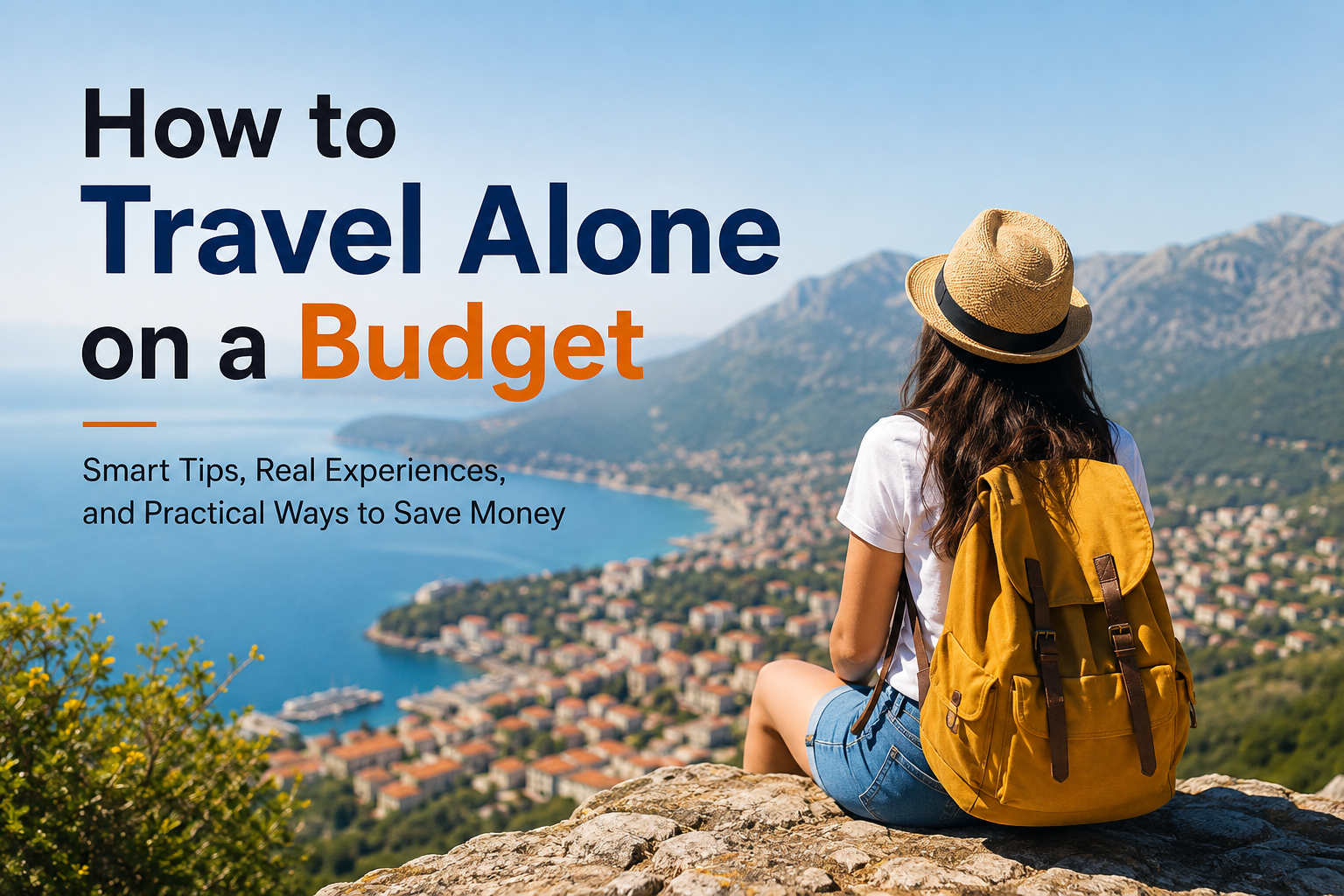
Traveling alone can be one of the most rewarding experiences in life. You get the freedom to choose where you want to go, what you want to eat, and how you want to spend your time. The only problem many people face is the cost. When you are traveling alone, you cannot always share the cost of a hotel room, transportation, or other expenses with someone else. However, I believe that solo travel does not have to be expensive. With some planning and smart choices, you can enjoy an amazing trip without spending too much money.
In this guide, I will share my practical tips on how to travel alone on a budget. These are simple ideas that can help you reduce travel expenses while still enjoying your destination.
Choose an Affordable Destination
The first step to budget solo travel is choosing the right destination. Some cities and countries are naturally more expensive than others. If your budget is limited, look for destinations where accommodation, food, transportation, and activities are reasonably priced.
I personally think that choosing a less popular destination can also make a big difference. Famous tourist cities often have expensive hotels and restaurants because of high demand. A smaller city nearby may offer similar experiences at a much lower price.
Before booking anything, I recommend researching the average cost of food, accommodation, local transportation, and attractions. This gives you a realistic idea of how much money you will need.
Travel During the Off Season
One of my favorite ways to save money while traveling is to avoid peak tourist seasons. Flights and hotels are often more expensive when large numbers of tourists are visiting.
Traveling during the shoulder season or off season can help you find better prices. You may also enjoy quieter streets and shorter lines at popular attractions.
For example, if a destination is famous for summer tourism, consider visiting during spring or autumn. The weather may still be comfortable, while accommodation and transportation can be much cheaper.
Set a Travel Budget Before You Leave
Before starting a solo trip, I always recommend creating a simple travel budget. You do not need a complicated spreadsheet. Just estimate how much you can spend on transportation, accommodation, food, activities, and emergencies.
For example, you could divide your budget into daily categories such as accommodation, meals, transportation, and sightseeing.
Having a daily spending limit helps prevent unnecessary expenses. It also makes you more aware of where your money is going.
I recommend keeping a small emergency amount separate from your normal travel budget. This money should only be used when something unexpected happens.
Find Cheap Accommodation
Accommodation can take a large part of a travel budget, especially when you are traveling alone. Fortunately, there are many ways to reduce this expense.
Hostels are often a good choice for solo travelers. Many hostels offer affordable private rooms as well as shared rooms. They can also be a great place to meet other travelers.
Budget hotels, guesthouses, and simple apartments can also provide good value. When comparing accommodation, I suggest looking beyond the room price. Check the location, transportation options, reviews, and included facilities.
Sometimes a slightly more expensive room in a central location can actually save money because you will spend less on transportation.
Use Public Transportation
Transportation is another area where solo travelers can easily overspend. Taxis and private rides are convenient, but using them regularly can quickly increase your travel expenses.
I prefer using buses, trains, metro systems, and other forms of public transportation whenever they are safe and practical. Many destinations have affordable daily or weekly travel passes that can reduce the cost even further.
Walking is another excellent option. Exploring a city on foot can save money and allow you to discover streets, markets, parks, and local neighborhoods that you might otherwise miss.
Of course, always consider safety and avoid walking alone in unfamiliar areas late at night.
Book Flights Carefully
If your trip requires air travel, the flight can become one of your biggest expenses. This is why I recommend comparing different travel dates before booking.
Being flexible with your departure and return dates can sometimes help you find better prices. Flying on less popular days may also be cheaper.
I also recommend checking the complete cost before booking. A cheap ticket may have additional baggage fees or other charges. The cheapest advertised price is not always the cheapest final price.
Book early when possible, but also compare prices rather than assuming that early booking is automatically the best option.
Pack Light
Packing light is one of the easiest ways to save money while traveling alone. If you can travel with a carry on bag or small backpack, you may avoid checked baggage fees.
I try to pack only the things I genuinely need. Basic clothing, comfortable shoes, toiletries, travel documents, electronics, and any essential personal items are usually enough for many trips.
Packing light also makes moving between hotels and transportation stations much easier. You will spend less time carrying heavy luggage and may be more flexible when changing plans.
Eat Like a Local
Food can become expensive if you eat at tourist restaurants every day. One of my favorite budget travel tips is to eat where local people eat.
Local restaurants, markets, food stalls, and small cafes often provide delicious meals at much lower prices than restaurants located directly beside major attractions.
You can also save money by buying simple breakfast items from a grocery store or local market. If your accommodation has a kitchen, preparing a few meals yourself can reduce your food expenses even more.
That does not mean you should avoid restaurants completely. I think trying local food is an important part of travel. The key is finding a balance between enjoying local meals and staying within your budget.
Choose Free Activities
You do not need to spend money every day to have a great travel experience. Many destinations offer free attractions and activities.
Parks, public beaches, walking areas, historic neighborhoods, local markets, viewpoints, and some museums can be free or very affordable.
Before visiting a destination, search for free things to do. You may discover activities that are just as enjoyable as expensive tours.
I also recommend spending some time simply walking around and observing local life. Sometimes the most memorable travel experiences do not cost anything.
Avoid Unnecessary Shopping
Shopping is one of the easiest ways to break a travel budget. When you are excited about a new destination, it can be tempting to buy souvenirs, clothes, decorations, and other items.
I usually recommend deciding in advance how much you want to spend on shopping. This keeps small purchases from becoming a major expense.
If you want souvenirs, consider buying something small and meaningful rather than several expensive items. A simple local product can often be a better memory than something expensive.
Use Travel Apps and Online Research
Technology can make budget solo travel much easier. Before and during your trip, use travel apps and websites to compare accommodation, transportation, restaurants, and activities.
Maps can help you plan walking routes and understand how far different attractions are from your accommodation.
I also recommend reading recent reviews before spending money on a tour or activity. Reviews can help you identify overpriced experiences and find better alternatives.
However, do not rely completely on online recommendations. Use your own judgment and consider your personal interests and budget.
Keep Your Money Safe
Saving money is important, but safety should always come first. When traveling alone, you need to be careful with cash, cards, passports, and other important belongings.
I recommend carrying only the amount of cash you need for the day. Keep your important documents secure and have digital copies stored somewhere you can access if necessary.
It is also useful to have more than one payment method. If one card stops working, having another option can prevent a stressful situation.
Avoid displaying large amounts of cash in public, and always pay attention to your surroundings.
Stay Connected With Someone at Home
Solo travel gives you independence, but staying connected with someone you trust is still important. Let a family member or friend know your basic travel plans.
You can share your accommodation details and expected travel dates. During the trip, send occasional updates so someone knows that you are safe.
This does not cost much and can give both you and your family greater peace of mind.
Have a Flexible Travel Plan
I believe that flexibility is one of the biggest advantages of budget travel. You do not need to plan every minute of your trip.
Having a general plan is useful, but leave some room for changes. You might find a cheaper activity, discover a free attraction, or decide to stay longer in a place you enjoy.
A flexible schedule can also help you take advantage of affordable transportation and accommodation opportunities.
Keep an Emergency Fund
Even when you plan carefully, unexpected expenses can happen. A delayed flight, lost item, transportation problem, or sudden change in accommodation can affect your budget.
For this reason, I always recommend keeping some emergency money separate from your daily spending money.
You do not need a huge amount, but having a backup fund can make you feel more confident while traveling alone.
Final Thoughts
Learning how to travel alone on a budget is mostly about making smart choices rather than avoiding every expense. You can still enjoy comfortable accommodation, delicious food, exciting activities, and memorable experiences without spending a fortune.
From my point of view, the most important things are choosing an affordable destination, traveling during cheaper seasons, using public transportation, finding budget accommodation, eating local food, and planning your spending before you leave.
Solo travel can teach you a lot about independence and confidence. You do not need a huge travel budget to explore the world. With careful planning and a willingness to make practical choices, you can create an enjoyable trip that fits your finances.
The goal of budget travel is not to spend as little as possible. The goal is to spend your money on the experiences that matter most to you. When you focus on that idea, traveling alone can become both affordable and incredibly rewarding.