Traveling is one of my favorite ways to experience new places, cultures, people, and lifestyles. However, one thing I have learned from traveling is that food can quickly become one of the biggest expenses of a trip. Even when I plan a reasonable travel budget, eating at restaurants several times a day can make my expenses much higher than expected.
The good news is that saving money on food while traveling does not mean skipping meals or eating poorly. In my experience, the key is to make smarter choices, plan ahead, and understand how people who live in the destination actually eat. With a few simple habits, I can enjoy delicious local food while keeping my travel food budget under control.
In this article, I will share some practical ways to save money on food while traveling without making the trip less enjoyable.
Plan Your Food Budget Before Traveling
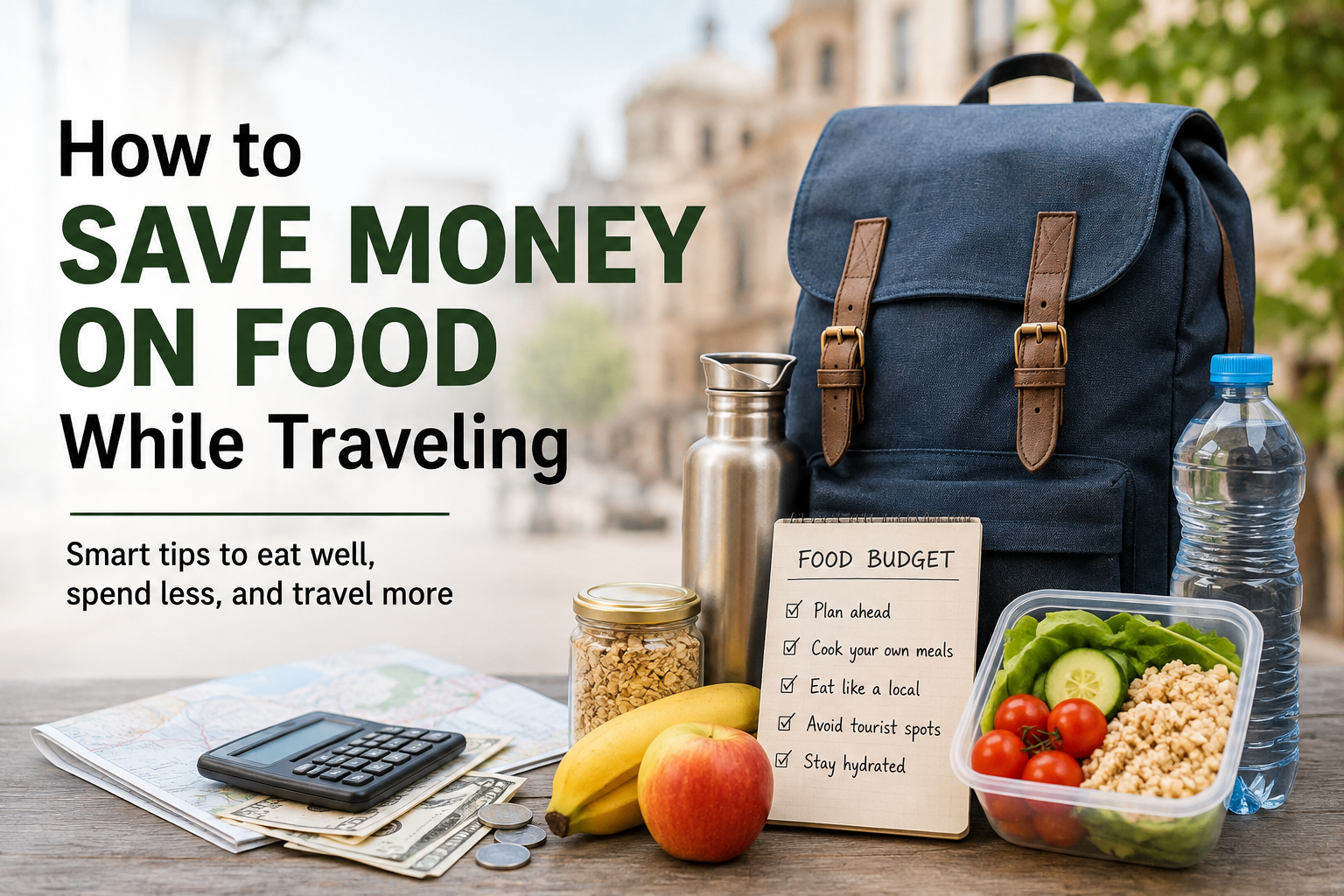
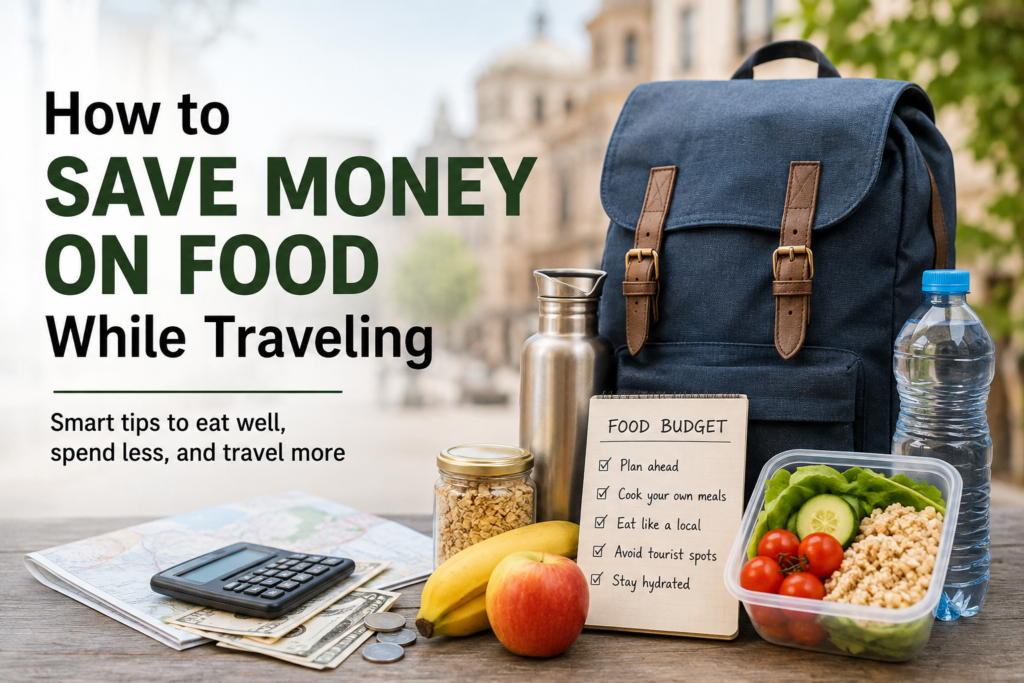
One of the first things I recommend is creating a food budget before leaving home. I usually think about how many days I will be traveling and estimate how much I can comfortably spend on food each day.
For example, if I plan to spend $25 per day on food, I can divide that amount between breakfast, lunch, dinner, snacks, and drinks. This gives me a clear idea of how much I can spend instead of making random purchases throughout the day.
I also like to leave a small amount of extra money for unexpected situations. Sometimes I may want to try a special local dish or visit a restaurant that costs more than expected. Having some flexibility makes the budget easier to follow.
Research Food Prices Before Your Trip
Before visiting a new destination, I spend some time researching average food prices. This helps me understand what is expensive and what is affordable.
I check local restaurants, markets, grocery stores, cafes, and street food options. I also look at menus online when they are available. This gives me a general idea of how much meals will cost.
Another useful thing I have noticed is that prices can vary greatly between different areas of the same city. Restaurants near major tourist attractions are often more expensive than restaurants located a few streets away.
A little research before traveling can help me avoid unnecessary spending.
Eat Where Local People Eat
One of my favorite ways to save money on food while traveling is to eat where local residents eat.
Tourist areas often have restaurants that charge higher prices because they are located in busy locations. Local restaurants, small cafes, family owned businesses, and neighborhood food markets can sometimes offer much better value.
I do not automatically assume that an expensive restaurant provides a better experience. In many places, some of the most memorable meals can be found in simple local restaurants.
Eating like a local can also make the trip more interesting because food is an important part of understanding a culture.
Choose a Good Breakfast
Breakfast can be an easy opportunity to control daily food expenses.
If my accommodation includes breakfast, I usually take advantage of it. A filling breakfast can help me stay satisfied for several hours and reduce the need to buy expensive snacks during the morning.
When breakfast is not included, I look for affordable local options instead of eating at an expensive hotel restaurant. A bakery, local cafe, grocery store, or small breakfast shop can often provide a satisfying meal for less money.
I prefer simple foods such as eggs, fruit, bread, yogurt, oatmeal, or local breakfast dishes depending on the destination.
Buy Snacks From Grocery Stores
Buying snacks from a grocery store is another simple way to reduce food expenses while traveling.
Instead of buying something expensive every time I feel hungry, I can purchase fruit, nuts, yogurt, crackers, granola bars, bread, or other convenient foods from a local supermarket.
This is especially useful when I am spending the entire day exploring a city.
I usually keep a few small snacks in my day bag. That way, I do not have to buy food simply because I suddenly become hungry while walking around.
Carry a Reusable Water Bottle
Drinks can quietly increase a travel budget. Buying bottled water, coffee, soft drinks, and other beverages throughout the day can become surprisingly expensive.
Whenever it is safe and practical, I carry a reusable water bottle. If the destination has safe drinking water, I refill it instead of purchasing multiple bottles.
I also try to avoid buying drinks simply because I am sitting in a restaurant or cafe. Sometimes ordering water is enough, especially when I am trying to keep my food budget under control.
Of course, I always check local guidance about whether tap water is safe to drink.
Cook Some of Your Own Meals
If I stay somewhere with a kitchen or basic cooking facilities, I like to prepare some meals myself.
I do not think every meal needs to be cooked. The idea is simply to replace some expensive restaurant meals with affordable homemade meals.
For example, I might prepare breakfast at my accommodation and eat lunch or dinner outside. Even preparing one meal per day can make a noticeable difference during a longer trip.
Simple meals are usually easiest when traveling. Sandwiches, eggs, pasta, salads, rice, fruit, and other basic foods can be inexpensive and easy to prepare.
Visit Local Food Markets
Local food markets can be excellent places to find affordable meals and fresh ingredients.
Depending on the destination, I may find fresh fruit, bread, vegetables, cooked foods, snacks, and local specialties at reasonable prices.
Markets also give me the chance to experience local culture. Instead of sitting inside a tourist restaurant, I can walk around, see what people are buying, and discover foods I might never have tried otherwise.
I still compare prices because not every market is automatically cheap. Some popular markets in tourist areas can also have high prices.
Avoid Eating Every Meal Near Tourist Attractions
This is one of the easiest mistakes to make while traveling.
When I am visiting a famous attraction, it can be tempting to sit down at the closest restaurant when I become hungry. However, restaurants in these locations may have higher prices because they benefit from heavy tourist traffic.
If possible, I walk a little farther away from the main attraction before choosing a restaurant. Even moving several streets away can sometimes provide more affordable options.
I also check reviews and menus before ordering so that I know what I am getting and how much it will cost.
Take Advantage of Lunch Deals
In many destinations, restaurants offer lunch specials or set menus that are cheaper than dinner options.
When I find a restaurant I really want to try, I check whether it has a lunch menu. If the same restaurant offers a special lunch deal, I would rather visit during lunchtime than pay more for dinner.
This allows me to experience a nice restaurant while still keeping my travel food budget reasonable.
Be Careful With Snacks and Drinks
Small purchases may not feel expensive individually, but they can add up quickly.
A coffee in the morning, a soft drink in the afternoon, ice cream while sightseeing, and a snack before dinner can easily add a significant amount to the daily budget.
I am not saying that I avoid these things completely. I simply become more conscious of them.
I decide which treats are actually worth buying instead of purchasing something every time I see it.
Use Public Transportation and Walk to Find Food
When I have the time and energy, I like walking around local neighborhoods to find affordable food.
Sometimes the cheapest restaurants are not directly beside popular attractions. Walking a little farther can help me discover smaller restaurants and cafes with better prices.
Public transportation can also help if an affordable food area is located farther away. I consider the transportation cost before traveling specifically for a meal, but exploring different neighborhoods can often lead to better food experiences.
Share Larger Portions
Restaurant portions can sometimes be much larger than expected. When that happens, sharing a meal can be a practical way to save money.
If I am traveling with family or friends, we may order a few dishes and share them instead of everyone ordering a separate large meal.
This also gives us the opportunity to try different local foods without ordering too much.
Keep Some Emergency Food With You
I like to keep a few simple foods available for situations when I cannot find an affordable meal.
Something as basic as nuts, crackers, fruit, or a granola bar can be useful during long travel days.
This does not mean replacing proper meals with snacks. It simply prevents me from becoming extremely hungry and then spending too much money on the first food option I find.
Do Not Forget to Enjoy Local Food
Saving money while traveling should not mean refusing every food experience.
Food is part of the travel experience, and I believe it is worth spending money on dishes that are special to the destination.
My approach is to save money on ordinary meals so I have more room in my budget for memorable experiences. For example, I might eat an inexpensive breakfast and lunch, then spend a little more on a local dinner that I have been looking forward to.
This balance makes traveling more enjoyable for me.
Final Thoughts
Learning how to save money on food while traveling is mostly about making thoughtful choices. I do not need to sacrifice good food or memorable experiences just because I am traveling on a budget.
Planning a daily food budget, researching prices, eating where locals eat, buying groceries, carrying water, cooking some meals, and avoiding expensive tourist restaurants can make a significant difference.
I have found that the best approach is not to focus only on spending less. Instead, I focus on getting more value from every amount I spend.
When I plan my meals carefully, I can enjoy local food, try new dishes, and still keep my travel expenses under control. That makes the entire trip more comfortable and gives me more money to spend on the experiences that actually matter.
If you are planning your next trip, start with a simple food budget and make a few smart changes. You may be surprised by how much money you can save without feeling like you are missing out.
Primary SEO Keyword: How to Save Money on Food While Traveling
Secondary Keywords: save money on food while traveling, travel food budget, cheap food while traveling, budget travel food tips, how to eat cheaply while traveling, affordable travel meals, ways to reduce food expenses while traveling