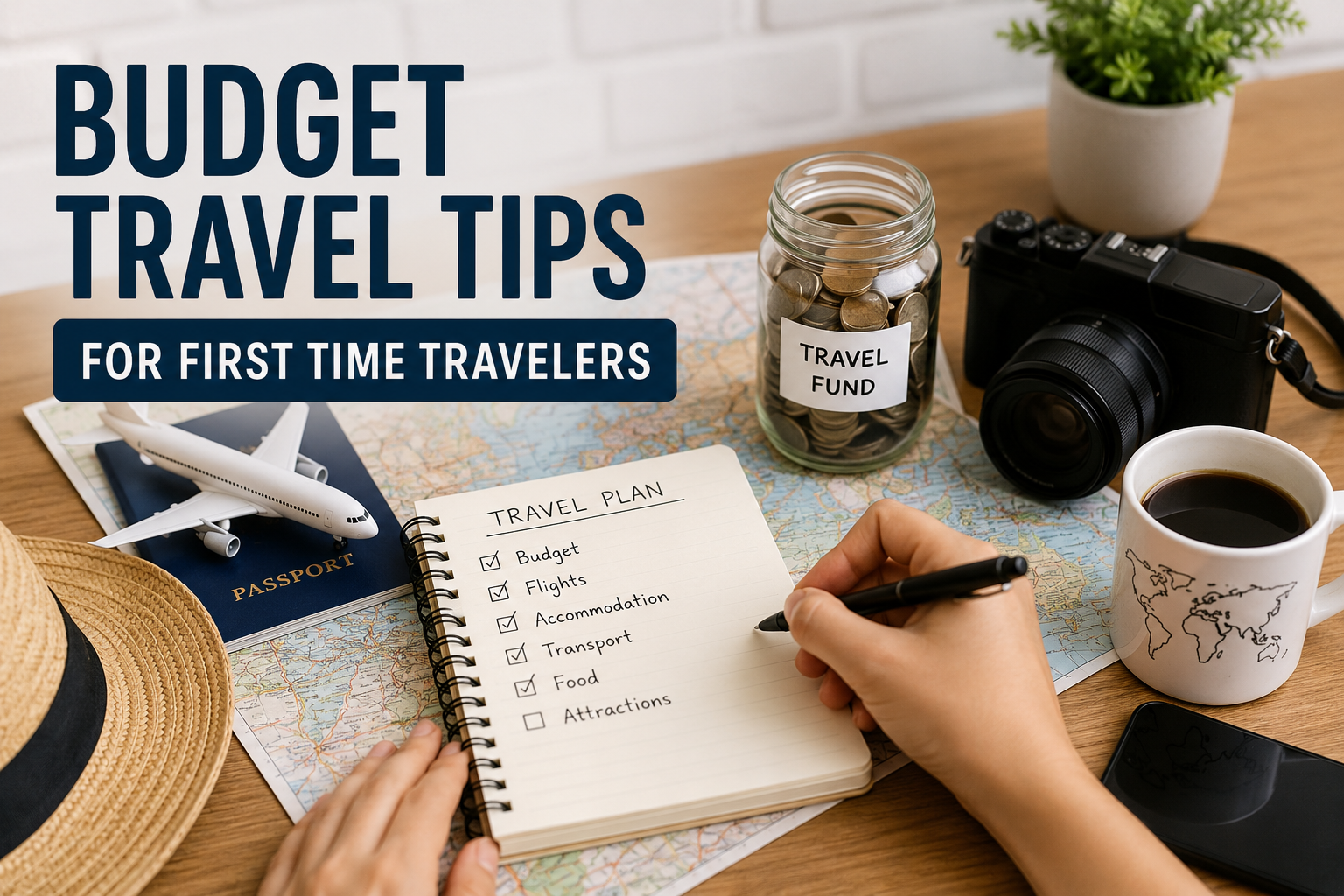
Traveling for the first time can feel exciting, but it can also feel a little confusing when you start thinking about money. Flights, hotels, food, transportation, tickets, and unexpected expenses can quickly make a simple trip more expensive than you expected. From my experience and the things I have learned about planning trips, I believe that traveling on a budget is not about avoiding everything enjoyable. It is about spending your money carefully and knowing where your money actually matters.
If you are planning your first trip and want to enjoy the experience without putting too much pressure on your wallet, these budget travel tips for first time travelers can help you make better decisions.
Start With a Realistic Travel Budget
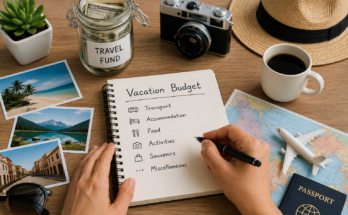
Before booking anything, I recommend creating a simple travel budget. Many first time travelers make the mistake of looking at the flight price and thinking that is the main cost of the trip. In reality, your total travel cost includes much more than transportation.
Think about flights, accommodation, local transportation, food, activities, travel insurance, entry fees, shopping, and emergency expenses. Write down an estimated amount for each category.
I also like keeping a small emergency amount separate from my main travel budget. This money should only be used when something unexpected happens.
A realistic budget gives you a clear idea of what you can afford and helps prevent unnecessary spending during the trip.
Choose an Affordable Destination
One of the most important budget travel tips for beginners is to choose the destination carefully. Some destinations are naturally more expensive than others.
Instead of choosing a place only because it is popular on social media, compare the overall cost of visiting different destinations. Look at accommodation prices, food costs, transportation, attractions, and exchange rates.
Sometimes a destination that is slightly less famous can provide a much better experience for a lower price.
For first time travelers, I think it is better to choose a destination that matches your budget rather than stretching your finances just to visit a famous location.
Travel During the Off Season
Traveling during the busiest season can significantly increase your expenses. Flights and hotels are often more expensive when large numbers of tourists are visiting.
If your schedule is flexible, consider traveling during the shoulder season or off season. You may find cheaper accommodation, less crowded attractions, and better transportation prices.
Another benefit is that you can often enjoy popular places in a more relaxed environment.
Before booking your trip, research when the destination is busiest and compare prices across different months.
Compare Flight Prices Before Booking
Flights can take a large part of your travel budget, so I never recommend booking the first flight you find.
Compare different airlines, travel dates, departure airports, and arrival airports. Sometimes changing your travel date by one or two days can make a noticeable difference.
Also remember to check the airline’s baggage rules. A cheap ticket may become expensive if you have to pay additional fees for luggage.
When comparing flights, I believe the cheapest option is not always the best option. Consider the total price, travel time, baggage allowance, and number of stops before making your decision.
Travel With Light Luggage
Packing light is one of the simplest ways to save money while traveling.
If you can travel with a carry on bag, you may avoid checked baggage fees. You will also find it easier to move between airports, hotels, buses, and train stations.
For a first trip, I recommend packing clothes that can be used in different combinations. Take only the things you genuinely need.
Before packing, check the weather forecast and your accommodation facilities. If your hotel provides basic items such as towels or a hair dryer, there may be no reason to carry your own.
Find Affordable Accommodation
Accommodation is another major part of a travel budget. Hotels can be convenient, but they are not always the cheapest option.
Depending on your destination, you can compare budget hotels, guesthouses, hostels, apartments, and other legitimate accommodation options.
I recommend looking at the location as well as the price. A very cheap hotel far away from everything may actually cost more because you will spend extra money on transportation.
Read recent reviews before booking. Pay attention to comments about cleanliness, safety, location, and additional charges.
For me, a clean and safe place in a convenient location is usually more important than having luxury facilities that I may not even use.
Use Public Transportation
Taxis and private rides can quickly increase your travel expenses. Whenever it is safe and practical, public transportation can be a much better option.
Buses, trains, metro systems, and local transport are often considerably cheaper than private transportation.
Before your trip, research how the local transportation system works. Find out whether the city offers daily passes, weekly passes, tourist cards, or other affordable options.
Walking can also be a great way to explore a destination. Some of my favorite travel experiences can come from simply walking around local neighborhoods and discovering places that were not on my original plan.
Eat Like a Local
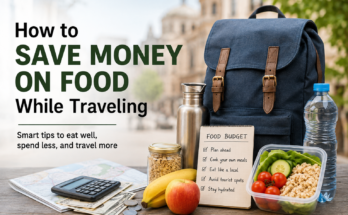
Food is one of the best parts of traveling, but eating at tourist focused restaurants for every meal can become expensive.
Try local restaurants, markets, bakeries, and casual food places that residents actually use. You can often find delicious food at a much lower price.
This does not mean that you should never visit a nice restaurant. I think the better approach is to balance your meals.
You can enjoy one special meal while choosing affordable local food for your other meals. If your accommodation includes breakfast or has a kitchen, take advantage of it when appropriate.
Plan Free and Low Cost Activities
You do not need to spend money on expensive attractions every day to have a memorable trip.
Many destinations have free walking areas, public parks, beaches, historic neighborhoods, museums with free admission days, cultural events, markets, and beautiful viewpoints.
Before traveling, make a list of free things to do at your destination.
I also recommend checking official attraction websites for prices and opening hours before visiting. This can help you avoid arriving at a closed attraction or paying unexpected fees.
Avoid Unnecessary Shopping
Shopping can easily destroy a carefully planned travel budget.
When I travel, I prefer buying a few meaningful things rather than filling my luggage with random products. Souvenirs can be enjoyable, but they do not need to become a major travel expense.
Before buying something, ask yourself whether you genuinely want it or whether you are buying it simply because you are excited to be somewhere new.
This small habit can save a surprising amount of money.
Keep Track of Your Spending
Creating a budget is helpful, but tracking your actual spending is even more important.
You can use a notes app, spreadsheet, or budgeting application to record your daily expenses.
At the end of each day, check how much you spent on food, transportation, activities, shopping, and other things.
If you notice that you are spending too much in one category, you can adjust your plans before the trip is over.
This is especially useful for first time travelers because it helps you understand how much money you actually need for future trips.
Be Careful With Currency Exchange Fees
Currency exchange can sometimes involve hidden costs. Before traveling internationally, learn about the local currency and compare your available payment options.
Check whether your bank charges foreign transaction fees and understand the fees associated with withdrawing cash abroad.
I also recommend carrying a reasonable amount of emergency cash while avoiding carrying all your travel money in one place.
Always use reputable exchange services and be careful when exchanging money in unfamiliar locations.
Book Important Things in Advance
Booking early can sometimes help you find better prices, especially for flights and popular accommodation.
It can also prevent last minute decisions that are often more expensive.
However, I would not recommend booking every activity before your trip. Leave some room for flexibility.
For important things such as flights and accommodation, early planning can make sense. For smaller activities, you can often decide after arriving.
Do Not Forget Travel Insurance
Saving money does not mean ignoring safety.
Travel insurance can protect you against certain unexpected situations, depending on the policy. These may include eligible medical expenses, trip interruptions, cancellations, or lost baggage.
The right coverage depends on your destination and circumstances, so read the policy carefully before purchasing it.
I consider travel insurance part of responsible travel planning rather than an unnecessary expense.
Create a Daily Spending Limit
One simple technique I like is setting a daily spending limit.
For example, if you have a certain amount available for food, transportation, and activities, divide that amount across the number of days you will travel.
This does not mean you have to spend exactly the same amount every day. You might spend less one day and more on another day.
The purpose is simply to understand your limits.
Keep Some Flexibility in Your Plans
A budget travel plan should not be so strict that you cannot enjoy yourself.
Leave some money for unexpected opportunities. Maybe you discover a local activity you really want to try, or perhaps you find a restaurant that looks interesting.
Having a small flexible amount in your budget allows you to enjoy these moments without worrying that you have ruined your entire travel plan.
Final Thoughts
For me, budget travel is not about traveling with the cheapest possible options. It is about making thoughtful choices.
As a first time traveler, you do not need a huge budget to have a meaningful trip. Start by choosing an affordable destination, compare transportation and accommodation prices, travel during less expensive periods, use public transportation, eat local food, and keep track of your daily expenses.
Most importantly, remember that travel is about the experience. You do not need luxury hotels, expensive restaurants, or constant shopping to create great memories.
With proper planning and a realistic budget, your first trip can be enjoyable, comfortable, and financially manageable. These budget travel tips for first time travelers can give you a strong starting point and help you become a more confident traveler with every journey.
Primary Keyword: Budget Travel Tips for First Time Travelers
Suggested SEO Keywords: budget travel tips, first time travelers, affordable travel tips, cheap travel ideas, travel on a budget, budget travel for beginners, how to save money while traveling, first trip planning tips
Suggested Meta Description: Discover practical budget travel tips for first time travelers. Learn how to save money on flights, hotels, food, transportation, activities, and more.