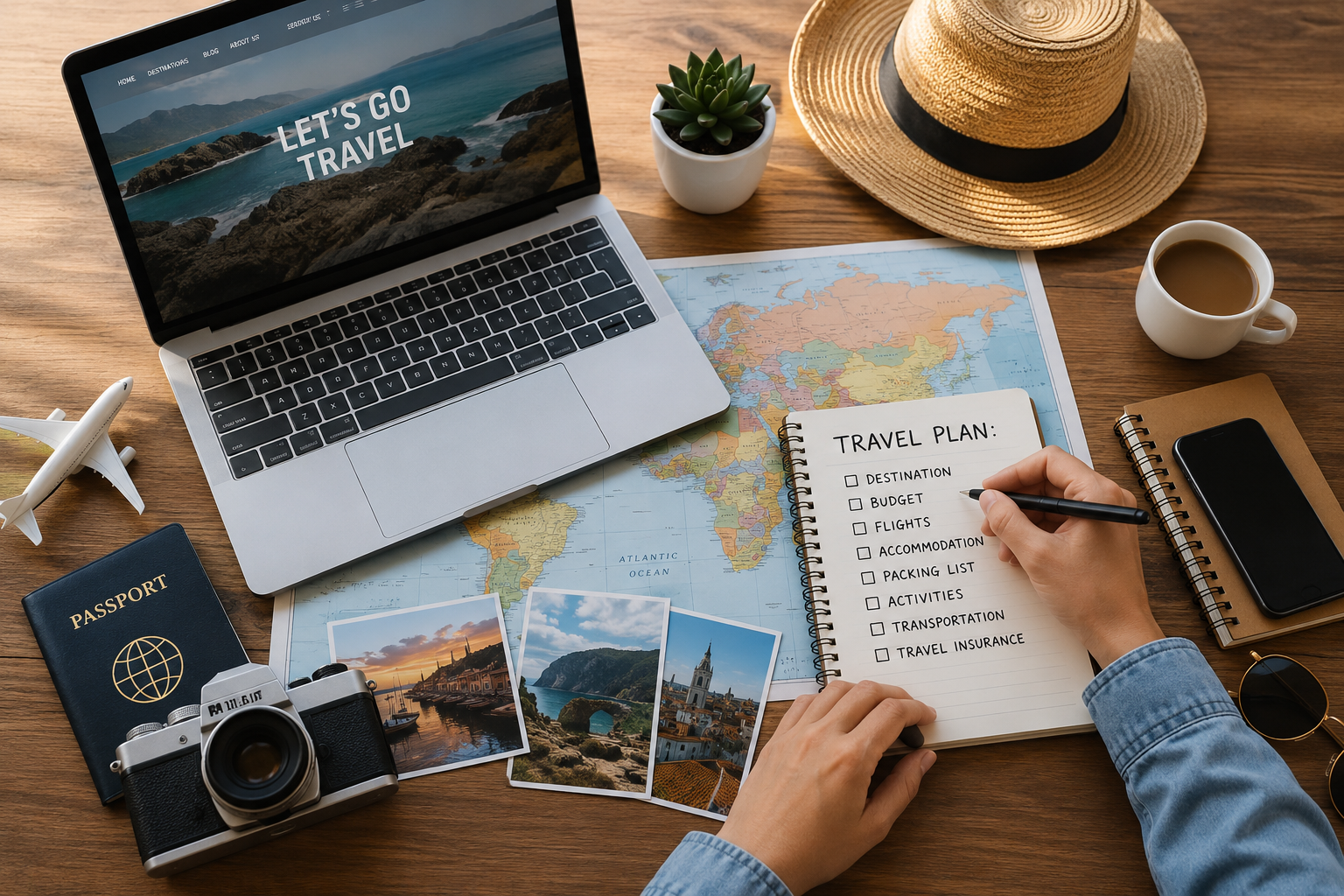
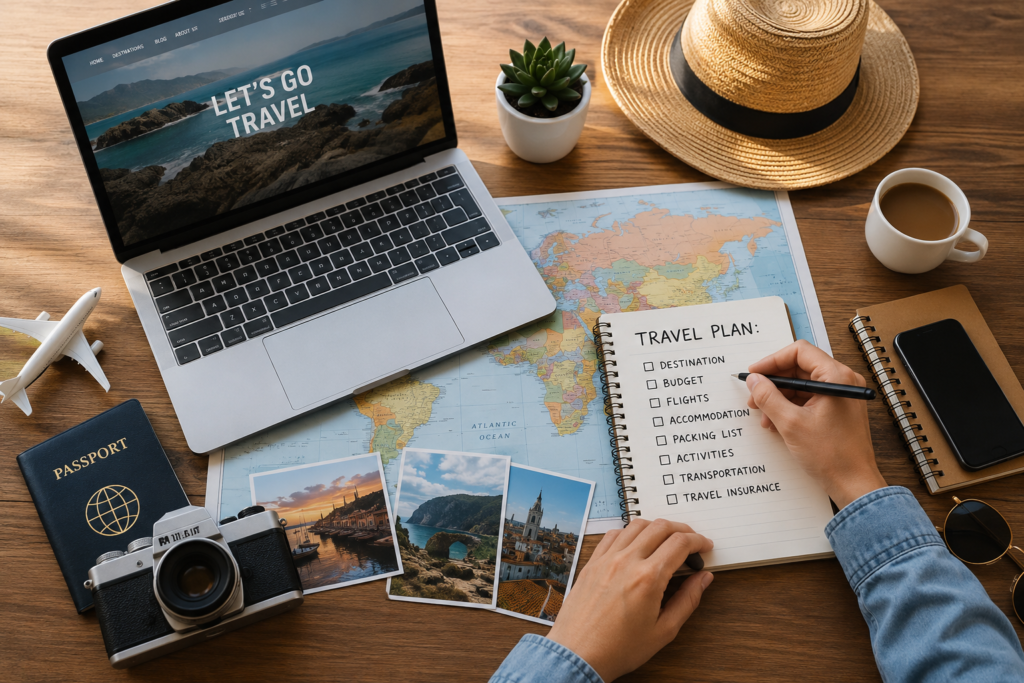
Planning a trip can be one of the most exciting parts of traveling, but it can also become stressful when everything is kept in your head. I have found that having a simple travel plan makes a big difference. When I know where I am going, how much I want to spend, where I will stay, and what I want to do, I can enjoy the journey with much more confidence.
Organizing your travel plans does not mean creating a complicated schedule for every minute of the day. For me, good travel planning is about knowing the important details while leaving enough room for unexpected experiences. Whether you are planning a weekend trip, a family vacation, or an international journey, a little organization can save time, money, and unnecessary stress.
Start With Your Destination
The first step in organizing your travel plans is choosing your destination. Before making any bookings, I like to think about what kind of experience I actually want.
Some trips are perfect for relaxing on a beach, while others are better for exploring cities, visiting historical places, enjoying nature, or trying local food. Knowing the purpose of your trip makes it easier to choose the right destination.
I also recommend checking the best time to visit. Weather, local events, holidays, and tourist seasons can affect your experience and your budget. A destination that seems affordable during one season may become expensive during a busy period.
Once you choose your destination, write down the main reasons you want to visit. This simple step helps keep your travel plans focused.
Set a Realistic Travel Budget
Money is one of the most important parts of travel planning. I always prefer to create a realistic budget before making major bookings.
Start by considering the main expenses, including transportation, accommodation, food, activities, local transportation, shopping, and emergency expenses. If you are traveling internationally, remember to consider visa costs, travel insurance, currency exchange, and other possible fees.
I find it useful to divide my budget into categories. This makes it easier to see where the money is going and where I can save.
For example, if accommodation is taking up a large part of the budget, I may choose a simpler hotel. If I save money on transportation, I can use some of that money for activities or food.
Most importantly, I recommend keeping some extra money available for unexpected expenses. Travel does not always go exactly according to plan, and having a small emergency fund can make unexpected situations easier to handle.
Choose Your Travel Dates
After deciding on your destination and budget, choose your travel dates. Your dates can have a major effect on transportation prices, accommodation costs, and the number of tourists.
I usually compare different dates when possible. Traveling a few days earlier or later can sometimes make a noticeable difference in price.
You should also consider how many days you actually need. A short trip does not need a packed schedule. If you have limited time, choose a few important experiences instead of trying to see everything.
It is better to enjoy a smaller number of places than to spend the entire trip rushing from one location to another.
Research Transportation Options
Transportation is another important part of organizing travel plans. Depending on the destination, you may need flights, trains, buses, rental cars, taxis, or local public transportation.
When I research transportation, I look at more than just the price. Travel time, luggage rules, departure times, arrival locations, and convenience also matter.
A cheap flight may not always be the best option if it arrives at an inconvenient time or requires several complicated connections.
For local transportation, I like to learn how the system works before arriving. Knowing whether a city has trains, buses, taxis, or ride sharing services can make the first day much easier.
Book Your Accommodation Carefully
Where you stay can have a big impact on your travel experience. I believe the best accommodation is not always the most expensive one. It is the one that fits your needs, budget, and location.
Before booking a hotel or other accommodation, check its location, reviews, facilities, cancellation policy, and transportation options.
Location is especially important. Staying slightly closer to the places you want to visit may cost more, but it can save time and transportation expenses.
I also recommend reading recent guest reviews instead of relying only on photographs. Reviews can give you useful information about cleanliness, noise, service, and the actual condition of the property.
Create a Simple Travel Itinerary
A travel itinerary helps you understand how you will spend your time. However, I prefer keeping mine simple.
Start by writing down the main activities you want to experience. Then organize them according to location and available time.
For example, if several attractions are close to each other, visit them on the same day. This reduces unnecessary travel and gives you more time to enjoy the destination.
I do not recommend filling every hour with activities. Leave some free time for walking around, relaxing, enjoying a local restaurant, or simply discovering something unexpected.
A flexible itinerary gives you structure without making the trip feel like work.
Organize Important Travel Documents
Keeping travel documents organized is essential, especially for international trips.
Depending on your destination, you may need a passport, visa, identification documents, flight tickets, hotel reservations, travel insurance information, and other important paperwork.
I prefer keeping digital copies of important documents on my phone and in secure cloud storage. I also keep physical copies of essential information when appropriate.
Before leaving, check that your passport is valid for your destination and that you have completed any required travel documents.
This small preparation step can prevent major problems later.
Make a Packing Plan
Packing becomes much easier when you prepare a list instead of packing randomly.
I usually think about the weather, length of the trip, activities, and accommodation before deciding what to bring.
Basic items may include clothing, comfortable shoes, toiletries, chargers, medications if needed, travel documents, and useful personal items.
One mistake many travelers make is packing too much. I believe traveling with fewer useful items is often more comfortable than carrying a heavy suitcase full of things you never use.
Before closing your suitcase, check the weather forecast and remove anything unnecessary.
Keep Your Travel Information in One Place
One of the easiest ways to organize travel plans is to keep all important information together.
You can use a notebook, phone notes, spreadsheet, or travel planning application. The specific tool does not matter as much as consistency.
I like keeping information such as flight details, accommodation information, booking confirmations, important addresses, transportation details, and activity reservations in one place.
Having everything organized means I do not have to search through different messages and emails when I need something quickly.
Plan Your Daily Expenses
A daily spending plan can help you stay within your travel budget.
You can estimate how much you expect to spend on food, transportation, attractions, and other expenses each day. You do not need to predict every purchase. A general estimate is enough.
I also recommend tracking your spending during the trip. It can be as simple as writing down expenses in your phone.
This gives you a better idea of whether you are staying within your budget or need to adjust your plans.
Prepare for Unexpected Changes
Even the best travel plan can change. Flights may be delayed, weather can become unpredictable, attractions may close, or you may simply discover something that you would rather do.
That is why I think flexibility is an important part of travel planning.
Instead of creating a plan that depends on everything going perfectly, create a plan that can easily change.
For important activities, it can be useful to have an alternative option. If an outdoor activity is canceled because of rain, you might visit a museum, explore a local market, or enjoy a nearby restaurant instead.
Having backup ideas keeps small problems from ruining the entire trip.
Review Your Plan Before Departure
A few days before your trip, review everything again.
Check your travel dates, transportation, accommodation, documents, packing list, budget, and important reservations.
I also recommend checking the weather and confirming important bookings before leaving.
This final review is one of the easiest ways to catch mistakes while you still have time to fix them.
Keep Your Plan Flexible During the Trip
Once the trip begins, do not be afraid to change your plans.
Travel is not only about checking places off a list. Some of my favorite travel moments can come from simple experiences that were never part of the original plan.
You might discover a beautiful street, a quiet café, an interesting local shop, or a place recommended by someone you meet.
A good travel plan should help you enjoy your trip rather than control every moment.
Final Thoughts
Learning how to organize your travel plans can make the entire travel experience easier and more enjoyable. From choosing your destination and creating a budget to booking accommodation, organizing documents, planning activities, and preparing your luggage, each small step can reduce stress.
In my opinion, the best travel plan is simple, realistic, and flexible. You should know the important details, but you should also leave enough space for spontaneous experiences.
When your basic travel arrangements are organized, you can spend less time worrying about logistics and more time enjoying the destination. Good travel planning is not about making a perfect schedule. It is about preparing well enough to feel comfortable, confident, and ready for the journey.
Primary Keyword: How to Organize Your Travel Plans
Secondary Keywords: travel planning tips, organize travel plans, travel itinerary planning, trip planning for beginners, travel organization tips, how to plan a trip, travel preparation tips
Suggested SEO Title: How to Organize Your Travel Plans: A Simple Guide for Stress Free Trips
Suggested Meta Description: Learn how to organize your travel plans with simple tips for budgeting, booking accommodation, creating an itinerary, packing, and preparing for your trip.