Traveling is something I genuinely enjoy because it gives me a chance to take a break from my normal routine, explore new places, meet different people, and create memories that stay with me for years. However, one thing that often stops people from traveling is the idea that every trip has to be expensive. I used to think that a good vacation required a big budget, but I have learned that careful planning can make a huge difference.
You do not need to stay in a luxury hotel, eat at expensive restaurants, or spend money on every tourist attraction to enjoy a trip. In fact, some of my favorite travel experiences can come from simple activities that cost very little.
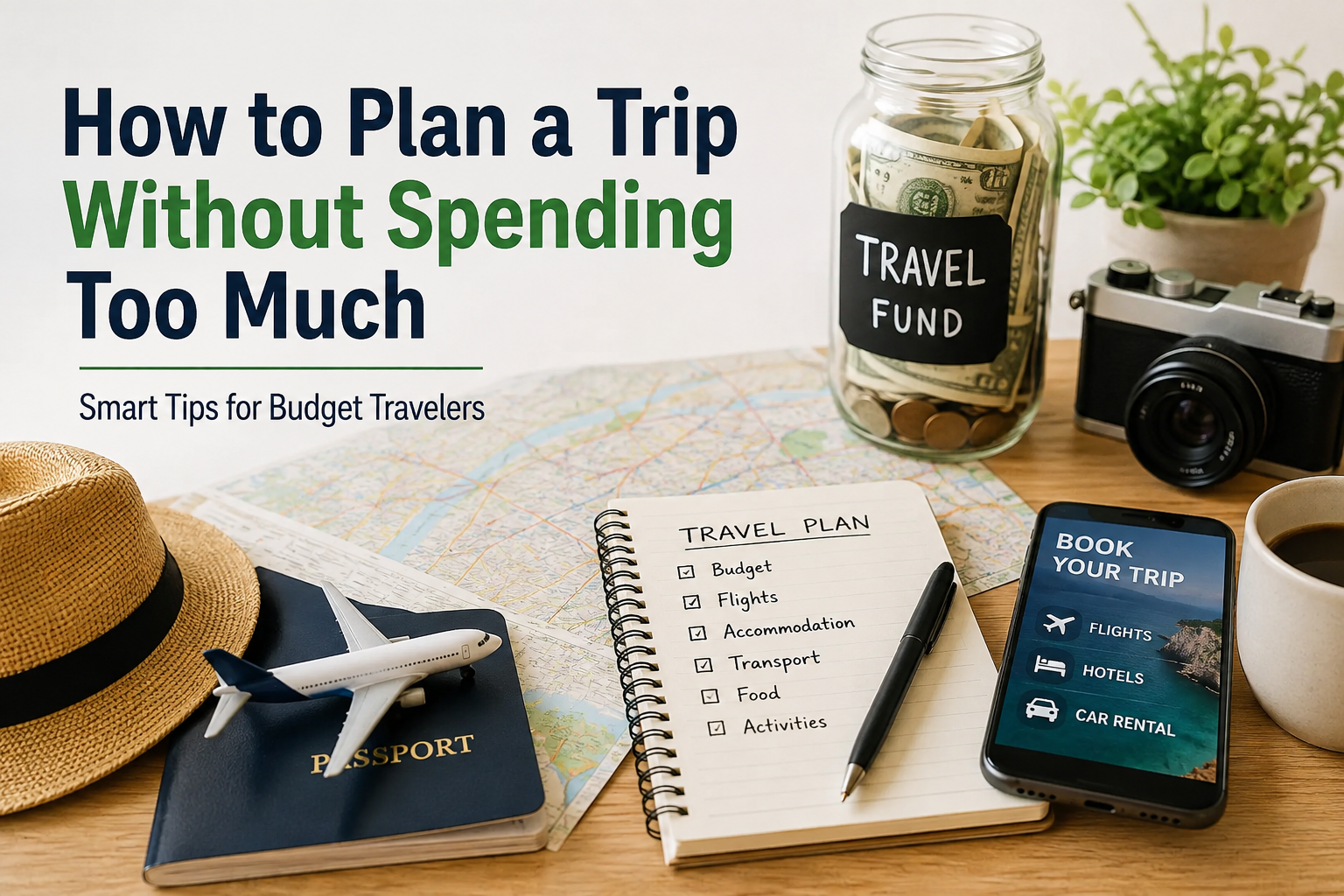
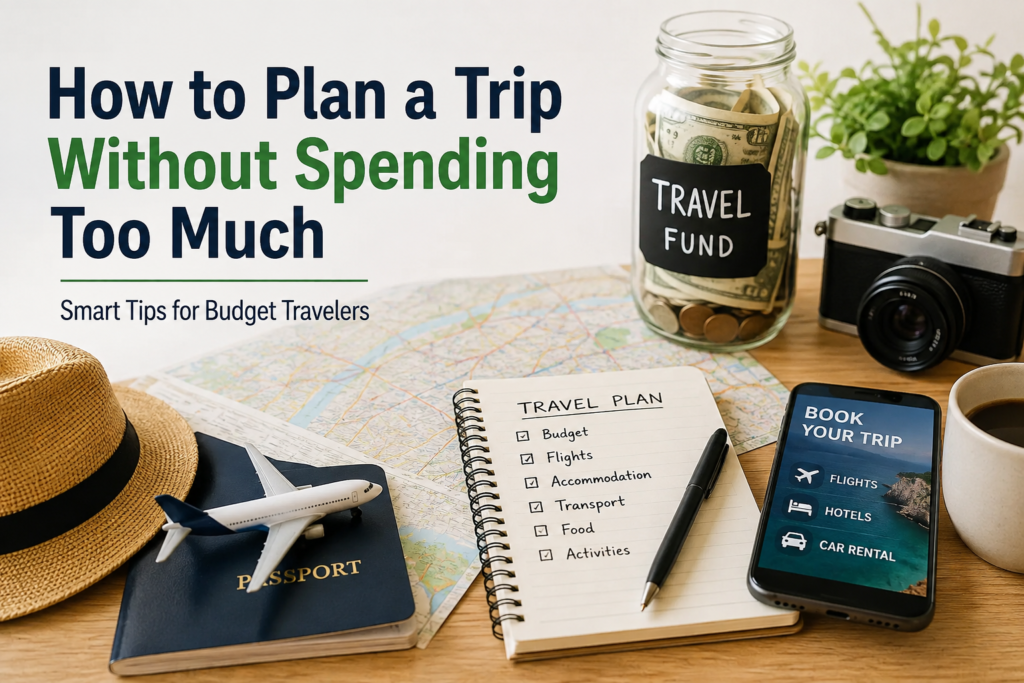
If you are wondering how to plan a trip without spending too much, the most important thing is to plan before you start spending. A reasonable budget, flexible travel dates, affordable accommodation, and smart daily choices can help you enjoy your trip without putting unnecessary pressure on your finances.
Set Your Travel Budget First
Before planning anything else, I recommend deciding how much you can comfortably spend. Having a clear travel budget makes the rest of your planning much easier.
Start by thinking about your transportation, accommodation, food, activities, shopping, and emergency expenses. Write down an estimated amount for each category. This will give you a better understanding of what your trip may actually cost.
I also recommend keeping some extra money for unexpected expenses. You might need to pay for additional transportation, replace something you lose, or deal with an unexpected change in your plans.
A travel budget should not make your trip feel restrictive. Instead, it should give you confidence because you know how much you can afford.
Choose an Affordable Destination
The destination you choose can have a major effect on your total travel expenses. Some cities and countries are naturally more expensive because accommodation, food, transportation, and attractions cost more.
If you want to travel on a budget, research several destinations before making your final decision. You may find that a less popular destination offers beautiful scenery, interesting culture, and enjoyable activities at a much lower cost.
I also think it is worth considering places closer to home. A nearby destination can reduce transportation expenses and give you more money to spend on experiences.
Do not choose a destination only because it is popular on social media. Look at the overall cost and decide whether it fits your personal budget.
Travel During Less Busy Times
Travel dates can make a significant difference to your expenses. During holidays and busy travel seasons, flights, hotels, and attractions can become much more expensive.
If your schedule allows it, consider traveling during the shoulder season or a quieter period. Prices may be lower, and you may also experience fewer crowds.
For me, traveling during less busy periods has another advantage. I can explore popular places at a more comfortable pace instead of spending most of my time waiting in lines.
Before booking your trip, compare prices for several dates. Sometimes moving your trip by a few days can save a meaningful amount of money.
Compare Transportation Options
Transportation is often one of the biggest parts of a travel budget. This is why I never recommend booking the first option I find.
Compare flights, buses, trains, and other available transportation. Depending on your destination, one option may be considerably cheaper than another.
When comparing flights, remember to check baggage fees and other charges. A ticket that looks cheap at first may become expensive after additional costs are added.
For shorter distances, buses or trains can sometimes be more affordable. If you are traveling with friends or family, sharing transportation may also reduce the cost per person.
The goal is not always to choose the cheapest ticket. The goal is to find the best value for your money.
Find Budget Friendly Accommodation
Accommodation can quickly increase the cost of a vacation. However, you do not always need a luxury hotel to have a comfortable stay.
Depending on your destination, consider affordable hotels, guesthouses, hostels, apartments, or other suitable options. Compare prices and read recent reviews before making a booking.
Location is also important. A very cheap hotel located far away from everything may cost more because you will spend extra money on transportation every day.
I prefer accommodation that gives me reasonable access to public transportation, restaurants, grocery stores, and important attractions. Paying slightly more for a convenient location can sometimes save money overall.
Also check whether breakfast, internet, parking, or other services are included. These small details can affect the final cost.
Save Money on Food
Food is one of those travel expenses that can easily get out of control. Eating at expensive restaurants for every meal may look harmless, but the total can become surprisingly high after several days.
I believe you should still enjoy local food while traveling. Food is an important part of experiencing a new destination. The trick is to balance special meals with affordable options.
Local restaurants, markets, bakeries, and small food shops can offer delicious meals without the prices of expensive tourist restaurants.
If your accommodation has a kitchen, preparing a few simple meals can also reduce your expenses. You could prepare breakfast yourself and save your restaurant budget for a meal that you really want to experience.
Carrying snacks and a reusable water bottle can also help prevent unnecessary purchases while exploring.
Enjoy Free Activities
You do not need to pay for an attraction every time you want something to do.
Many destinations offer free parks, public beaches, walking areas, markets, viewpoints, cultural events, historical neighborhoods, and outdoor attractions.
Before traveling, search for free things to do in your destination. You may discover activities that are just as enjoyable as expensive tours.
Walking around a city is one of my favorite budget friendly activities. It allows me to explore local streets, architecture, shops, and public spaces while spending nothing.
Some museums and attractions may also have free admission days or discounted hours. Checking their schedules before your trip can help you save money.
Create a Daily Spending Limit
Having a total travel budget is helpful, but I also recommend creating a simple daily spending limit.
For example, decide how much you can spend each day on food, transportation, entertainment, and small purchases.
You do not have to follow the limit perfectly. Some days may cost more and others may cost less. The purpose is simply to give you an idea of how much you should be spending.
I find that tracking my expenses helps me understand where my money is going. You can use a simple note on your phone to record your daily spending.
This small habit can prevent you from reaching the end of your trip and realizing that you have spent much more than expected.
Be Careful With Shopping
Shopping can be one of the easiest ways to go over a travel budget. When visiting a new place, it is tempting to buy souvenirs, clothes, decorations, and other items.
I recommend deciding on a shopping budget before your trip. Once that amount is spent, avoid making unnecessary purchases.
You do not need expensive souvenirs to remember your trip. A small local item, photograph, postcard, or handmade product can be meaningful without costing a lot.
Before buying something, ask yourself whether you genuinely want it or whether you are simply making an impulse purchase because you are excited.
Use Public Transportation
Taxis and private cars can be convenient, but using them throughout your entire trip can become expensive.
Whenever it is practical and safe, use buses, trains, metro systems, or other public transportation. Walking is also a great option when attractions are close to each other.
Some cities offer daily or weekly transportation passes. If you plan to travel frequently within the city, these passes may provide better value than buying individual tickets.
Using public transportation can also give you a better understanding of how local people live and move around their city.
Research Before Booking
One of the best ways to save money while traveling is simply to do proper research.
Before booking anything, compare several options. Check prices, reviews, cancellation policies, taxes, baggage rules, and additional fees.
I have found that spending a little extra time researching can prevent expensive mistakes. A booking that looks cheap may have hidden costs that make it much more expensive.
You can also search for discounts, seasonal offers, free cancellation options, and other ways to reduce the total price.
Do not rush into a booking simply because you see a price that looks attractive. Make sure you understand what you are actually paying for.
Pack Only What You Need
Packing smart can also help you save money. Forgetting important items can force you to buy replacements during your trip.
Before leaving, check the weather and think about the activities you will be doing. Pack clothes and personal items that you will actually use.
If your transportation provider charges for additional luggage, traveling with a lighter bag can also reduce your costs.
I prefer making a simple packing plan before traveling because it helps me avoid carrying unnecessary things.
Keep Your Plans Flexible
Flexibility can be very useful when trying to plan an affordable trip.
If you can change your travel dates, compare several options. If one hotel is too expensive, check nearby areas. If one activity costs too much, look for a similar free or low cost alternative.
You do not need to plan every minute of your vacation. Having a basic itinerary with some flexibility allows you to make affordable choices along the way.
At the same time, avoid changing your plans so often that the trip becomes stressful. The purpose of flexibility is to save money while keeping the experience enjoyable.
Avoid Borrowing Too Much Money for Travel
I believe this is one of the most important points when planning a vacation.
Traveling should be something you enjoy, not something that creates financial problems after you return home. If you cannot comfortably afford a long vacation, consider taking a shorter trip.
A three day trip that fits your budget can be much better than a two week vacation that leaves you with significant debt.
There will always be another opportunity to travel. Planning according to your financial situation allows you to enjoy your vacation without worrying about how you will pay for it later.
Final Thoughts
Learning how to plan a trip without spending too much is not about avoiding every expense. It is about making thoughtful choices and spending your money where it matters most.
Start with a realistic travel budget, choose an affordable destination, compare transportation, look for budget friendly accommodation, and travel during less expensive periods when possible. Save money on food by mixing local restaurants with affordable meals, and look for free activities instead of paying for entertainment every day.
I believe the best trips are not necessarily the most expensive ones. A well planned budget trip can give you amazing experiences, beautiful memories, and the chance to discover something new without putting pressure on your finances.
With some research, patience, and flexibility, affordable travel is possible. You do not need a huge budget to explore the world. You simply need a good plan and the willingness to make smart choices.
Primary Keyword: How to Plan a Trip Without Spending Too Much
Secondary Keywords: Budget travel tips, travel on a budget, affordable travel, cheap trip planning, budget friendly vacation, save money while traveling, affordable vacation planning, low cost travel tips