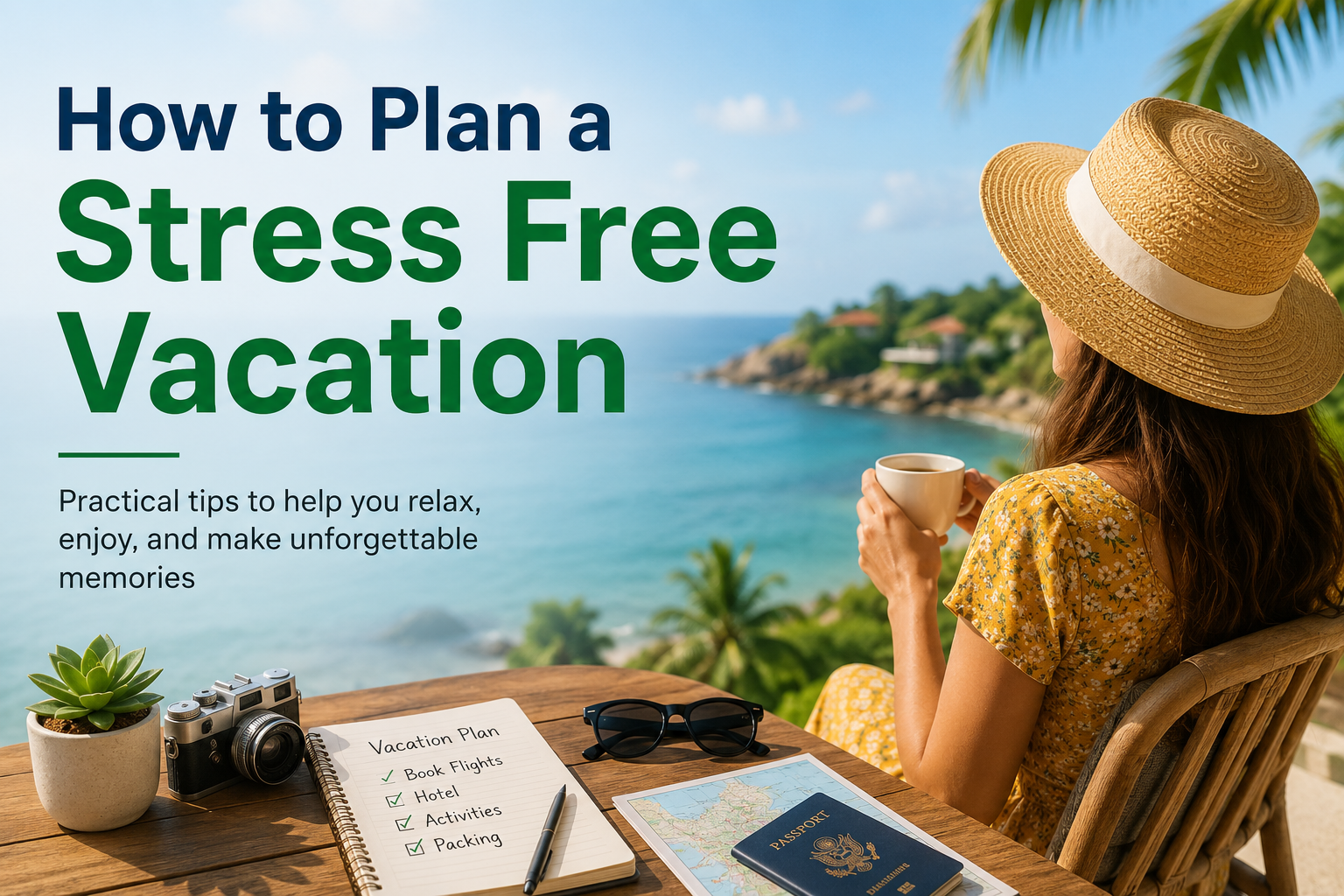
Planning a vacation should be exciting, not stressful. In my experience, a good trip does not happen because everything goes perfectly. It happens because you prepare well enough to handle small problems without letting them ruin your mood. When I plan a vacation, I try to keep things simple, realistic, and flexible.
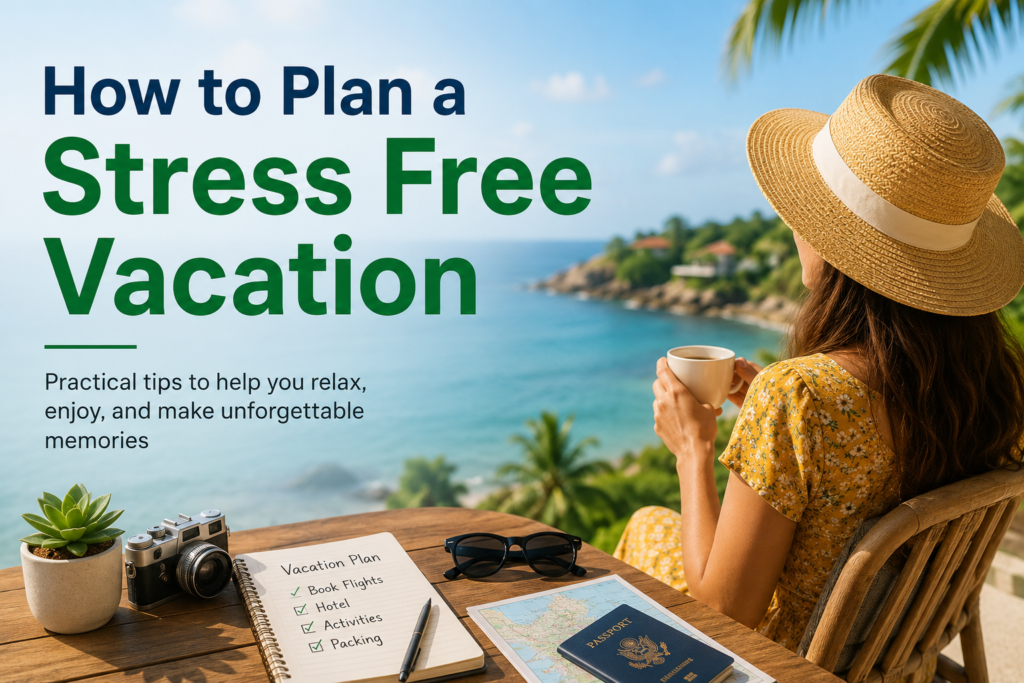
A stress free vacation starts before you leave home. Choosing the right destination, setting a realistic budget, booking important things early, organizing your travel documents, and avoiding an overloaded schedule can make a huge difference. In this article, I will share some practical vacation planning tips that can help you enjoy your trip with less worry and more confidence.
Choose a Destination That Matches Your Travel Style
The first step in planning a stress free vacation is choosing a destination that suits you. I believe people sometimes choose destinations because they are popular instead of thinking about what they actually enjoy.
If you like peaceful surroundings, a quiet beach town or countryside location may be better than a crowded city. If you enjoy history and culture, a destination with museums, historical places, and local experiences may be more suitable.
Think about the weather, travel time, local transportation, activities, and overall cost before making your decision. A destination that looks beautiful online may not be the right choice for your personal travel style.
Set a Realistic Vacation Budget
Money can become one of the biggest sources of travel stress, so I always recommend creating a vacation budget before making bookings.
Your travel budget should include transportation, accommodation, food, activities, local transportation, shopping, travel insurance, and emergency expenses. Do not only calculate the cost of your flight or hotel.
I also like to keep some extra money available for unexpected situations. A delayed journey, last minute transportation, or an unplanned activity can cost more than expected.
A realistic budget gives you freedom during your trip because you know how much you can comfortably spend.
Book Important Things Early
One of the easiest ways to reduce travel stress is to book important arrangements in advance. Depending on your destination and travel season, flights, trains, hotels, and popular attractions can become expensive or unavailable.
I prefer to confirm the most important parts of my trip first. This usually includes transportation and accommodation. Once those are confirmed, I feel more comfortable planning the rest.
However, I do not recommend booking every minute of the vacation. Leave some space for spontaneous activities and relaxation.
Create a Simple Travel Itinerary
A travel itinerary is useful, but it does not need to be complicated. In my opinion, a simple itinerary is much better than a schedule that makes you feel like you are constantly running from one place to another.
Write down your main activities for each day. Include important information such as transportation times, hotel details, attraction opening hours, and reservation information.
Try to keep your daily plans realistic. If you are visiting a large city, you may need more time to travel between attractions than you expect.
I prefer choosing two or three main activities each day and leaving extra time for meals, rest, and unexpected discoveries.
Avoid Overplanning Your Vacation
Overplanning is one of the biggest mistakes beginners can make when organizing a vacation. It may feel productive to fill every hour with activities, but it can quickly become exhausting.
A vacation should give you time to relax. If you spend the entire day checking your schedule, you may return home feeling more tired than when you left.
Instead, focus on the experiences that matter most to you. If you have a list of ten attractions, choose the three or four that you really want to see. You can always save the others for another trip.
Choose Comfortable Accommodation
Your accommodation can have a major effect on your vacation experience. I usually recommend choosing a hotel or vacation rental based on location, cleanliness, comfort, safety, and reviews rather than focusing only on the cheapest price.
A slightly more expensive place in a convenient location can sometimes save money and time on transportation.
Before booking, check the accommodation’s location and what facilities are available. Read recent guest reviews and make sure the booking details are clear.
Having a comfortable place to return to after a busy day can make your entire vacation feel easier.
Prepare Your Travel Documents
Travel documents should be organized before your departure. Depending on your trip, these may include your passport, visa, identification documents, tickets, hotel reservations, travel insurance information, and other important paperwork.
I recommend keeping digital copies of important documents in a secure location while also carrying the originals when necessary.
Before an international trip, check your passport validity and entry requirements well in advance. Requirements can vary by country, so always confirm current information from official sources.
This simple preparation can prevent unnecessary problems during your journey.
Pack Smart Instead of Packing Everything
Packing can become stressful when you try to take everything you might possibly need. I have found that packing fewer useful items is usually better than carrying a heavy suitcase.
Start by checking the weather at your destination. Then choose clothing that can be combined easily. Pack comfortable shoes, basic toiletries, necessary electronics, chargers, medications if needed, and important travel documents.
Avoid filling your suitcase with items you probably will not use.
I also recommend keeping essential items such as documents, money, medication, and electronics in your carry on bag when appropriate. This can make your journey easier if checked luggage is delayed.
Plan Your Transportation
Transportation deserves some attention before you travel. Research how you will move from the airport or station to your accommodation and how you will travel around the destination.
Depending on the location, you may use public transportation, taxis, rental cars, walking, or ride services.
Knowing your basic transportation options before arriving can reduce stress because you will not have to figure everything out while tired.
I also recommend checking travel times between important places. A destination may look small on a map, but traffic and distance can make transportation take much longer than expected.
Leave Extra Time for Delays
One lesson I have learned from travel is that things do not always happen according to schedule. Flights can be delayed, traffic can become heavy, and transportation connections can take longer than expected.
That is why I avoid creating plans that depend on perfect timing.
If you have an important flight, appointment, or reservation, give yourself extra time. Arriving early may feel unnecessary when everything is going smoothly, but it can be extremely helpful when something unexpected happens.
A little extra time can prevent a small delay from becoming a major problem.
Keep Your First Day Relaxed
I think the first day of a vacation should be relatively easy. After traveling for several hours, you may be tired and need time to adjust to your surroundings.
Instead of planning many activities immediately after arrival, consider checking into your accommodation, having a meal, exploring the nearby area, and getting enough rest.
This is especially helpful after long international journeys or when dealing with a major time difference.
Starting slowly can help you enjoy the rest of your vacation with more energy.
Take Care of Important Details at Home
Before leaving, make sure your home is ready for your absence. Depending on your situation, this may include checking doors and windows, handling bills, arranging pet care, taking care of plants, and informing a trusted person if necessary.
I also recommend checking your phone plan and making sure your important devices are charged.
These small tasks may not feel related to vacation planning, but completing them can help you relax because you know things at home are under control.
Do Not Let Small Problems Ruin the Trip
Even the best vacation plan cannot prevent every problem. A restaurant may disappoint you, weather may change, or an attraction may close unexpectedly.
The most important thing is how you respond.
I try to remind myself that a vacation is about enjoying the overall experience, not achieving a perfect schedule. If one plan does not work, I look for another option.
Being flexible is one of the most useful travel skills you can develop.
Give Yourself Time to Relax
When planning a vacation, remember to schedule actual relaxation. This may mean sitting at a cafe, reading a book, enjoying a beach, walking through a park, or simply spending time at your hotel.
Relaxation should not be treated as wasted time. It is one of the main reasons many people travel.
If every day is packed with activities, you may miss the peaceful moments that often become your favorite memories.
Keep Your Travel Plans Easy to Access
I like keeping important travel information organized in one place. This can include booking confirmations, hotel addresses, transportation details, reservation numbers, and emergency contact information.
You can use your phone or a simple travel document to organize everything.
Having these details available when needed saves time and reduces the frustration of searching through emails or messages.
Enjoy the Experience Instead of Chasing Perfection
For me, the biggest secret to a stress free vacation is accepting that the trip does not have to be perfect.
You may take a wrong turn, experience bad weather, miss a bus, or discover that an attraction is not as impressive as expected. These moments are part of traveling.
Instead of allowing small problems to control the entire trip, focus on the things you can enjoy.
Take photos, try local food, talk to people, explore new places, and give yourself permission to slow down.
Final Thoughts
Learning how to plan a stress free vacation is mostly about preparation, realistic expectations, and flexibility. Choose a destination that fits your interests, create a comfortable budget, book important arrangements early, organize your documents, pack smart, and avoid creating an exhausting schedule.
At the same time, remember that planning should support your vacation rather than control it. Leave room for rest and unexpected experiences. When something goes wrong, try to adapt instead of letting it ruin your entire day.
In my opinion, the best vacation is not necessarily the one with the most activities. It is the one where you return home feeling refreshed, happy, and satisfied with the memories you created. With a little preparation and the right mindset, anyone can enjoy a relaxing and stress free vacation.
Primary Keyword: How to Plan a Stress Free Vacation
Related Keywords: stress free vacation planning, vacation planning tips, relaxing vacation ideas, travel planning tips, how to plan a vacation, vacation preparation tips, stress free travel tips