Travel documents are some of the most important things I carry whenever I leave home. A passport, visa, identification card, travel insurance details, booking confirmations, and other important papers can make a trip possible. Losing them can quickly turn an enjoyable journey into a stressful experience. For this reason, I believe keeping travel documents safe should be part of every travel plan.
Over time, I have learned that travel document safety is not complicated. It mainly comes down to being organized, keeping important papers in secure places, making backup copies, and knowing what to do if something goes wrong. In this guide, I will share practical tips on how to keep travel documents safe before and during a trip.
Make a Travel Document Checklist
Before I start packing, I like to make a simple travel document checklist. This helps me remember everything I may need and gives me a chance to check each document before leaving home.
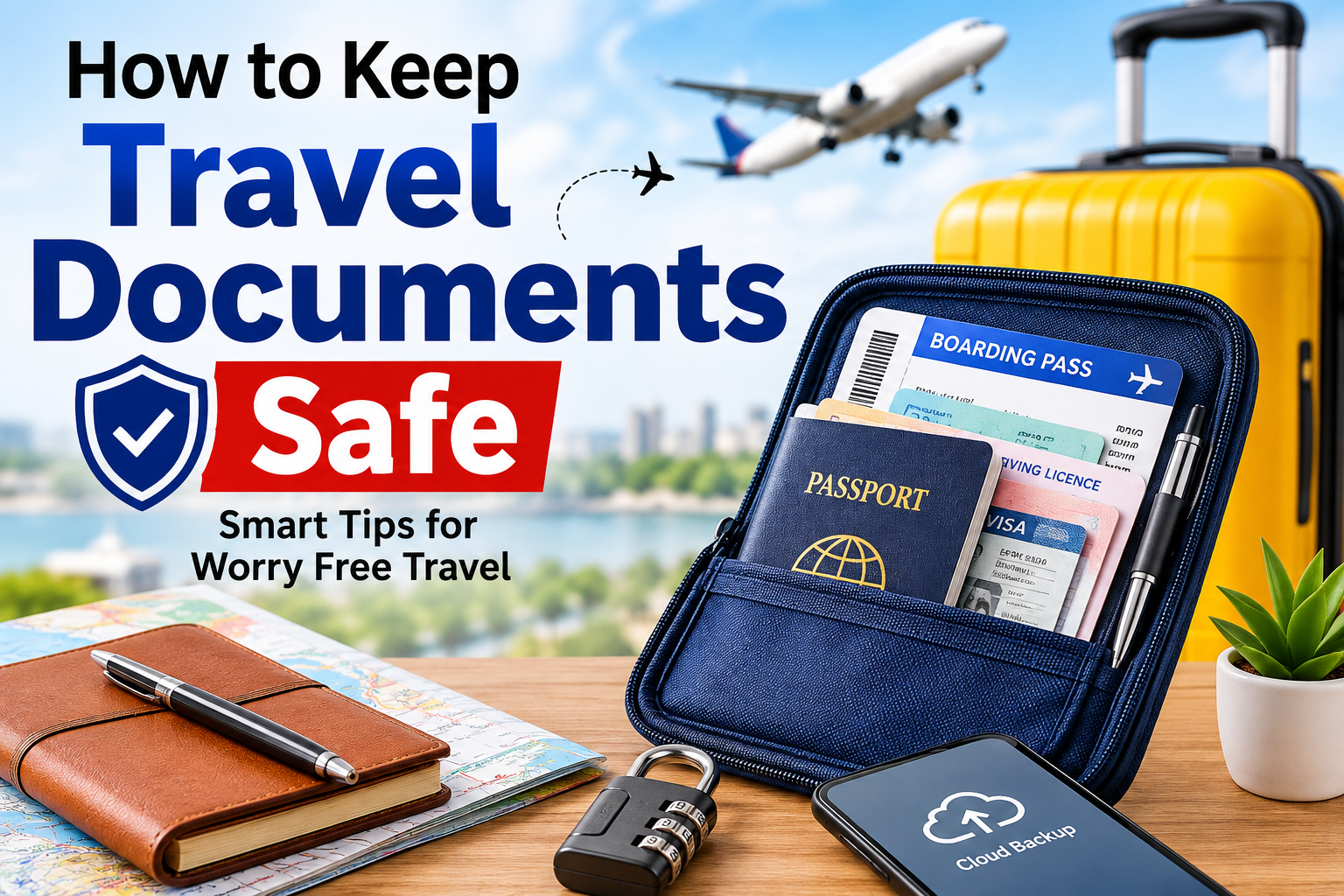
Depending on the trip, important travel documents may include a passport, visa, national identification card, driving license, flight tickets, hotel reservations, travel insurance information, emergency contact details, and copies of important bookings.
I recommend checking the entry requirements of your destination before traveling because every country can have different requirements. Some destinations may require a visa, proof of onward travel, vaccination records, or other documents.
Having a checklist also makes it easier to notice if something is missing before you reach the airport.
Keep Your Passport Secure
For international travel, the passport is usually the most important document. I never treat it like an ordinary piece of paper because replacing a lost passport while abroad can be difficult and time consuming.
When traveling, I keep my passport in a secure document holder or another protected location. I avoid placing it loosely in an open backpack or a pocket that can be easily accessed by someone else.
At airports and border crossings, I keep my passport within reach but remain careful about where I put it after presenting it to an official.
Another useful habit is checking my passport before leaving a hotel, airport counter, taxi, restaurant, or other place where I may have taken it out.
Use a Travel Document Organizer
A travel document organizer can make a big difference. Instead of keeping passports, cards, boarding passes, and papers in different bags, I prefer keeping important documents together in one secure organizer.
A good organizer should have separate compartments so that documents are easy to find. It should also close securely and be comfortable enough to carry.
The main advantage is organization. When I need my passport or boarding pass, I know exactly where to look. This reduces the chance of accidentally leaving something behind.
However, I do not recommend keeping every valuable item in one place when traveling. If your document organizer is lost, having some backup identification or payment options stored separately can provide additional protection.
Make Digital Copies of Important Documents
One of the most useful travel habits I have developed is creating digital copies of important documents.
Before traveling, I can scan or photograph my passport identification page, visa, insurance information, identification card, hotel reservations, and other important paperwork. These copies can then be stored securely on a trusted device or secure cloud storage service.
Digital copies may not replace the original documents when an official requires them, but they can be extremely useful if an original is lost.
For example, if I lose my passport abroad, having a copy of the identification page can make it easier to provide information to the appropriate authorities or contact my country’s embassy or consulate.
I also make sure my phone and cloud accounts are protected with strong passwords and appropriate security settings.
Keep Backup Copies Separate
I believe one of the biggest mistakes travelers can make is putting all important documents in the same place.
If my passport, identification cards, cash, and backup documents were all inside one wallet and that wallet disappeared, I could face several problems at once.
Instead, I keep backup copies separately from the originals. A trusted travel companion can also hold a copy when appropriate.
The idea is simple. If one bag is lost, not everything important should disappear with it.
Protect Your Documents From Water
Travel documents can be damaged by more than theft or loss. Water can also cause serious problems.
Rain, spilled drinks, swimming trips, and accidental leaks inside luggage can damage paper documents and make them difficult to use.
I like using a waterproof document pouch or protective sleeve for important papers. Even when my luggage looks completely dry, I prefer having an extra layer of protection.
This is especially useful when traveling to destinations with frequent rain or humid weather.
Be Careful With Hotel Rooms
Hotels can be comfortable and convenient, but I still pay attention to where I keep important documents.
When I am staying in a hotel, I avoid leaving my passport and other sensitive documents openly on a desk or bed. If the hotel provides a secure safe and I do not need my passport for the moment, I may use it according to the hotel’s guidance.
At the same time, I avoid putting important documents somewhere so unusual that I might forget them when checking out.
Before leaving the hotel, I always do a final check of drawers, bedside tables, the safe, luggage pockets, and other areas where I may have placed something.
Do Not Share Sensitive Document Information Carelessly
Travel documents contain personal information, so I am careful about who can see them.
For example, I avoid sending passport photographs through unknown websites or sharing document details with people who do not genuinely need them.
When an airline, hotel, government authority, or other legitimate organization requests information, I first make sure I am using the correct official channel.
I also avoid posting photographs of passports, boarding passes, visas, or identification cards on social media. Even small details visible in an image may contain information that should remain private.
Protect Your Phone and Accounts
Today, travel documents are often stored digitally. This makes phone and account security an important part of travel document safety.
I use a strong screen lock and keep my operating system and important applications updated. I also use strong, unique passwords for important accounts.
Two factor authentication can provide another layer of protection where it is available.
If I use cloud storage for document backups, I make sure the account itself is secure. A digital backup is only helpful if unauthorized people cannot easily access it.
Keep Emergency Contact Information Available
I also recommend keeping important emergency information available separately from your main travel documents.
This can include the contact information for your country’s embassy or consulate, travel insurance provider, airline, hotel, and trusted contacts.
I prefer having this information available both digitally and in another accessible format. If my phone battery dies or I lose access to my account, another copy can still be useful.
Be Careful at Airports and Public Places
Airports are busy environments where people are constantly moving between security checks, gates, shops, transportation areas, and baggage counters.
This is why I pay extra attention to my documents at airports.
After passing through security, I immediately check that I have collected my passport, phone, wallet, and other belongings. I do not leave important documents sitting on a tray or airport seat.
The same rule applies to buses, trains, cafes, restaurants, and tourist attractions. Whenever I take out my passport or identification, I make a habit of putting it back in its secure place immediately after using it.
Know What to Do If You Lose a Document
Even with careful planning, documents can sometimes be lost or stolen. Knowing what to do beforehand can make the situation less stressful.
If I lose an important document while traveling, my first step would be to stay calm and retrace my recent movements. I would check the hotel, transportation provider, airport, restaurant, or other places I recently visited.
If the document is genuinely lost or stolen, I would contact the appropriate local authorities and then contact my country’s embassy or consulate when necessary.
For passports and other official documents, the relevant government authority can explain the replacement process and required paperwork.
This is another reason why keeping copies of important documents is so valuable.
Check Your Documents Before Leaving Home
One final habit I recommend is doing a complete document check before leaving for the airport.
I check my passport validity, visa requirements, identification, tickets, reservations, insurance details, and any other documents required for my destination.
I also make sure the names and dates on important bookings match my travel documents.
This small check can prevent major problems later.
Final Thoughts
Keeping travel documents safe does not require complicated equipment or expensive products. In my experience, the most important thing is developing simple habits and following them consistently.
I keep my important documents organized, protect my passport, make secure digital copies, store backups separately, protect papers from water, and avoid sharing sensitive information unnecessarily. I also make sure I know how to contact the right authorities if something goes wrong.
Travel should be exciting and enjoyable, and good preparation can remove many unnecessary worries. By taking a few minutes to organize and protect your travel documents before and during your journey, you can travel with greater confidence and focus more on enjoying the experience.
The goal is simple: keep your original documents secure, maintain reliable backups, stay organized, and always know where your important information is.