Traveling can be one of the most exciting experiences in life. Whether I am planning a short weekend trip, a family vacation, a business journey, or an international adventure, I have learned that good preparation can make the entire experience much easier. A trip should be enjoyable, but small mistakes before leaving home can create unnecessary stress later.
In my experience, the best way to enjoy traveling is to prepare early and think about the important details before the journey begins. From checking travel documents to planning a budget and understanding the destination, there are several things every traveler should remember before traveling.
Check Your Travel Documents
One of the first things I always recommend checking before traveling is your travel documents. A passport, visa, identification card, driving license, travel tickets, and other required documents should be ready before the trip.
If you are traveling internationally, check your passport expiration date well in advance. Some countries require travelers to have several months of passport validity remaining. Visa requirements can also vary depending on your destination and nationality.
I prefer keeping both physical and digital copies of important documents. Digital copies can be stored securely on a phone or another trusted device. Having backup copies can be extremely helpful if an original document is lost or damaged during the trip.
Research Your Destination
I believe destination research is one of the most useful things to do before traveling. You do not need to know every detail, but understanding the basics can save you from many problems.
Before leaving, I usually check the local weather, transportation options, popular attractions, local customs, opening hours, and general costs. If I am traveling internationally, I also learn a few basic phrases in the local language.
Researching the destination also helps me understand what kind of clothing and shoes I should pack. A beach destination requires very different preparation from a cold mountain area.
Create a Realistic Travel Budget
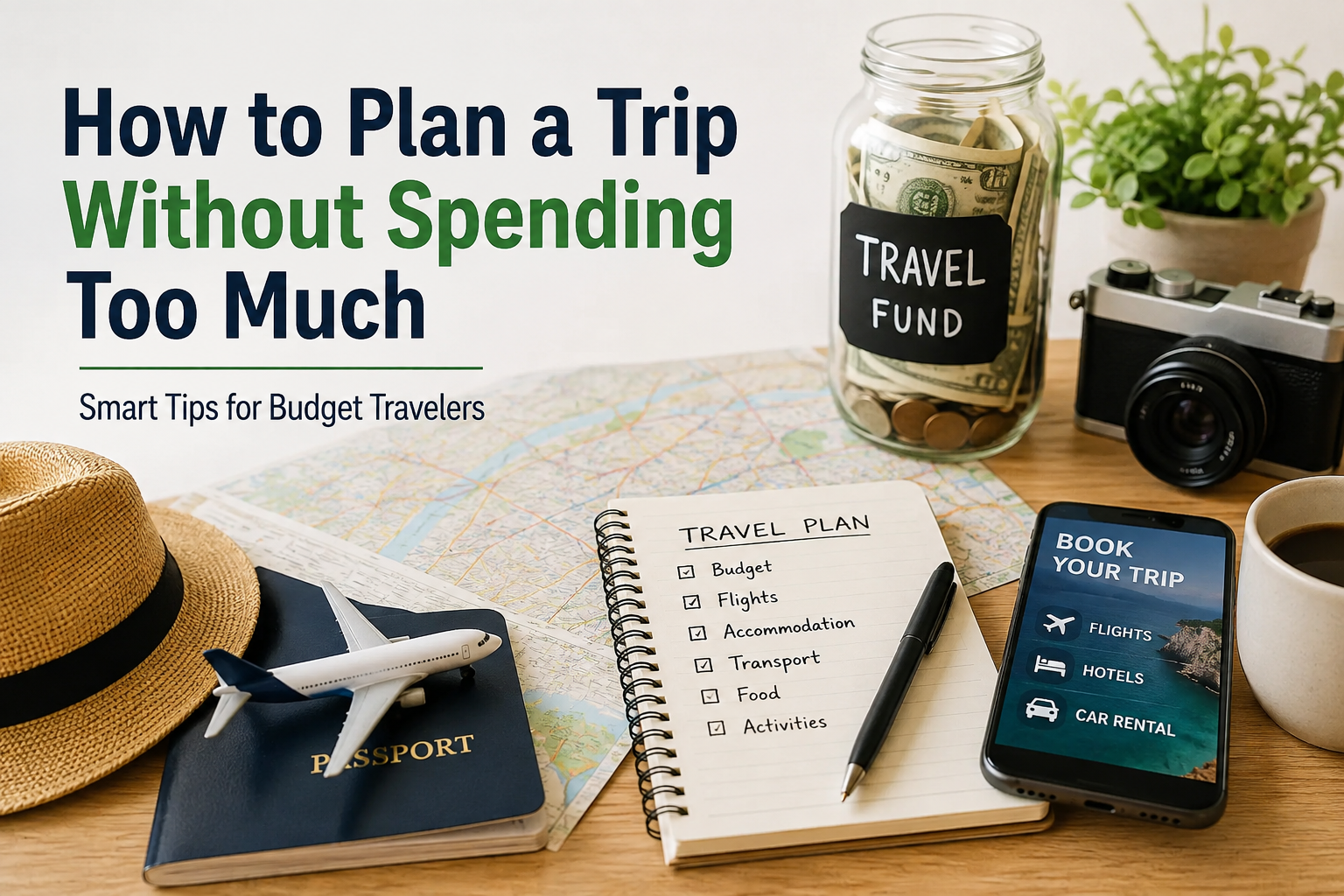
Money is another important part of travel preparation. I always believe that a travel budget should include more than just transportation and accommodation.
Think about food, local transportation, entrance fees, shopping, emergency expenses, internet access, and unexpected costs. It is also wise to keep some extra money available for situations that do not go according to plan.
I find it helpful to divide my travel money into different categories. This makes it easier to understand how much I can spend each day without worrying about running out of money too quickly.
Confirm Your Flights and Accommodation
Before traveling, double check your flight or transportation details. Check the departure time, arrival time, terminal information, baggage allowance, and booking details.
I also recommend confirming your accommodation before leaving. Make sure you know the address, check in time, cancellation policy, and contact information.
Having these details saved on your phone can make arrival much easier, especially if you are reaching your destination late at night.
Check the Weather Before Packing
Weather can completely change the way a trip feels. I always recommend checking the forecast before packing rather than relying on assumptions.
If rain is expected, pack suitable clothing and footwear. If temperatures are high, lightweight clothing can make the journey more comfortable. For colder destinations, warm layers are usually more practical than carrying one extremely heavy item.
I also prefer packing clothes that can be combined in different ways. This saves space and gives me more options during the trip.
Pack Only What You Need
One of the biggest lessons I have learned from traveling is that carrying too much luggage can make a journey difficult.
Before packing, I think about what I will actually use. Basic clothing, personal care items, important documents, medication if needed, chargers, and destination specific essentials usually deserve priority.
I try not to pack something simply because I might use it. If an item is unlikely to be useful, leaving it at home can make the luggage lighter.
Prepare Your Phone and Electronics
Today, a smartphone can be extremely useful while traveling. It can help with maps, communication, translation, bookings, photography, and emergency information.
Before leaving, make sure your phone is charged and that important apps are available. Download offline maps if your destination may have unreliable internet access.
I also recommend carrying the correct charging cable and a suitable power adapter when traveling internationally. A portable power bank can also be useful during long journeys, provided it follows the transportation rules of your airline or travel provider.
Think About Travel Insurance
Travel insurance is something many people ignore until they actually need it. Depending on the trip, insurance can provide protection against certain unexpected situations such as trip interruptions, lost baggage, or eligible medical expenses.
The right coverage depends on the destination, activities, and personal circumstances. Before purchasing a policy, I recommend reading the terms carefully so you understand what is covered and what is excluded.
Keep Important Information Accessible
I like to keep important travel information in one organized place. This can include accommodation details, transportation bookings, emergency contacts, insurance information, and copies of important documents.
You do not necessarily need a large folder of paperwork. A simple organized digital folder can be enough, with physical copies of the most important documents kept separately.
Having this information available can save valuable time when you need it quickly.
Inform Someone About Your Travel Plans
If I am going on an important or longer journey, I think it is sensible to let a trusted person know my basic travel plans.
They do not need every detail. Sharing your destination, accommodation information, and approximate travel schedule can provide an additional layer of security.
This is especially useful for solo travelers or people visiting unfamiliar places.
Learn Basic Local Rules and Customs
Every destination has its own culture and social expectations. Before traveling, take some time to understand basic local customs.
This may include appropriate clothing, photography rules, tipping practices, public behavior, or restrictions around certain places and activities.
I believe respecting local culture makes travel more enjoyable for everyone. A little research can also help prevent accidental misunderstandings.
Prepare for Health and Personal Needs
Before traveling, think about any personal items you may need during the journey. This could include basic personal care products, prescription medication, glasses, contact lens supplies, or other essential items.
If you take regular medication, make sure you have enough for the trip and keep it stored appropriately. For international travel, it is also wise to check whether there are specific rules regarding bringing medication into your destination country.
Do not wait until the last minute to prepare these items.
Secure Your Home Before Leaving
Travel preparation should not stop at packing your suitcase. Before leaving home, check the things you are leaving behind.
Make sure doors and windows are properly secured. Unplug unnecessary electrical devices and check that important appliances are switched off. If someone needs to look after your home, provide them with the information they need.
I find that taking a few extra minutes to check everything before leaving gives me greater peace of mind while traveling.
Plan Your First Day
The first day of a trip can sometimes be tiring, especially after a long flight. For this reason, I prefer not to fill the first day with too many activities.
Knowing how to reach the accommodation from the airport or station is particularly helpful. If possible, I also like to know where I can get food, exchange money, or access basic services after arrival.
A simple first day often makes the rest of the trip more enjoyable.
Keep Some Flexibility in Your Plans
Planning is important, but I do not think every minute of a trip needs to be scheduled.
Flights can be delayed, weather can change, attractions can become crowded, and unexpected opportunities can appear. Leaving some free time in the schedule allows you to enjoy the journey without constantly watching the clock.
For me, one of the best parts of traveling is discovering something that was not originally on the plan.
Make Safety a Priority
Travel should be enjoyable, but personal safety should always remain important. Stay aware of your surroundings, especially in crowded or unfamiliar areas.
Keep valuable items secure and avoid carrying unnecessary amounts of cash. Be careful when sharing personal information with strangers and use trusted transportation whenever possible.
It is also helpful to know the local emergency services and where the nearest important facilities are located.
Final Thoughts
There are many important things to remember before traveling, but preparation does not have to be complicated. When I prepare early, check my documents, research the destination, organize my money, pack carefully, and think about safety, I feel much more confident about the journey.
The goal of preparation is not to control everything that happens. Instead, it is about reducing avoidable problems so that I can spend more time enjoying the experience.
A successful trip is not only about reaching a beautiful destination. It is also about being prepared enough to handle the journey comfortably and confidently. With a little planning before traveling, you can protect your time, money, belongings, and peace of mind while creating better memories along the way.
If you are planning your next trip, start preparing early. Check the essentials, organize your documents, understand your destination, and give yourself enough time to handle unexpected details. Good preparation can turn an ordinary journey into a much smoother and more enjoyable travel experience.