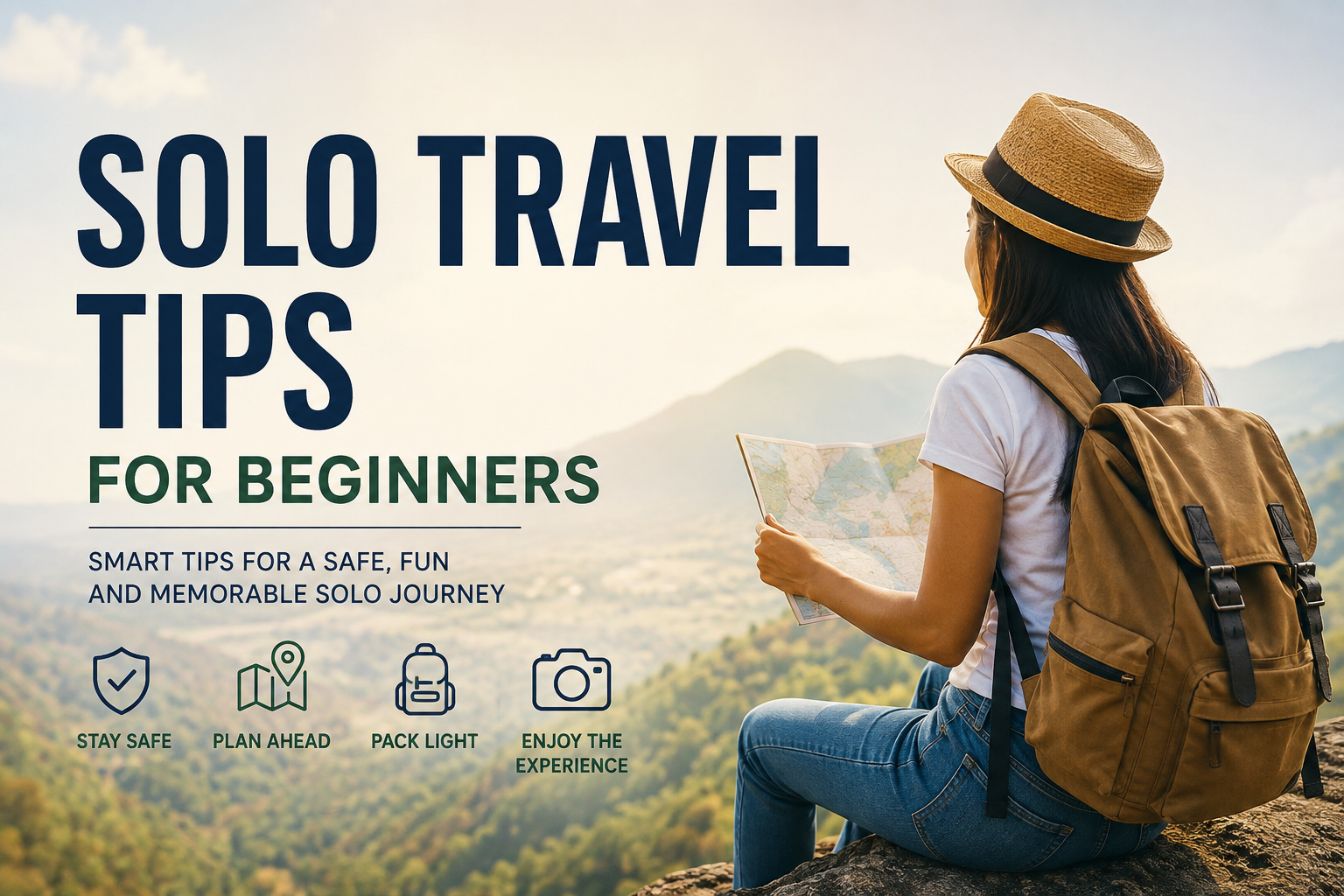
Solo travel can feel exciting, peaceful, and a little scary at the same time. When I first think about traveling alone, the biggest question that comes to mind is whether I will be able to manage everything by myself. From booking a hotel to finding the right place, planning meals, keeping important documents safe, and dealing with unexpected situations, solo travel requires a little preparation.
In my opinion, you do not need to be an experienced traveler to enjoy a solo trip. You simply need a good plan, a positive mindset, and enough confidence to handle small challenges along the way. With the right solo travel tips for beginners, your first trip can become one of the most memorable experiences of your life.
Start With a Simple Destination
If you are planning your first solo trip, I recommend choosing a destination that is easy to understand and navigate. You do not have to start with a complicated international journey. A nearby city or a place that is popular with tourists can be a much better choice.
I believe a simple destination helps you become comfortable with traveling alone. You can learn how transportation works, how to book accommodation, how to communicate with people, and how to manage your daily budget.
Before choosing a destination, research the local transportation, weather, popular attractions, accommodation options, and general safety conditions. Reading recent traveler experiences can also help you understand what to expect.
Plan Your Trip Before You Leave
One of the most important solo travel tips for beginners is to plan the basic details before leaving home. I do not recommend planning every minute of your trip because that can make travel stressful. Instead, focus on the things that really matter.
Know where you are staying on your first night. Know how you will reach your accommodation from the airport, bus station, or train station. Keep important addresses and booking information available on your phone and in another secure place.
I also like to have a general idea of the places I want to visit. This gives me direction without making the trip feel like a strict schedule.
Keep Your Important Documents Safe
When you travel alone, you are responsible for your own passport, identification, money, tickets, and other important documents. Losing these items can create unnecessary problems.
Make digital copies of your passport, identification documents, travel bookings, and emergency contacts. Keep the copies somewhere secure that you can access when needed.
I also recommend keeping your original documents in a safe place while traveling. Do not carry everything in one pocket or bag. Having a backup payment method can also be useful if your primary card gets lost or stops working.
Pack Light
Packing light is one of the best tips I can give to anyone traveling alone. When you have fewer bags, moving from one place to another becomes much easier.
Try to pack clothes that can be used in different situations. Take comfortable shoes, basic toiletries, necessary electronics, medications if needed, and weather appropriate clothing.
I prefer to leave unnecessary items at home. Remember that you can often buy basic things at your destination if you really need them.
A lighter bag also gives you more freedom. You do not have to worry about carrying several heavy bags while using public transportation or walking through busy streets.
Stay Connected With Someone at Home
Traveling alone does not mean you should completely disconnect from everyone. Before starting your journey, tell a trusted person about your travel plans.
Share your accommodation details, basic itinerary, and expected travel dates. During the trip, send an occasional message so someone knows that you are doing well.
I think this simple habit provides extra peace of mind. If your plans change, let your trusted contact know. It is better to keep someone informed than to disappear for several days without communication.
Learn About Local Safety
Safety should always be part of your travel planning. Before visiting a new destination, research common travel concerns in that area.
Learn which neighborhoods are better for visitors and which areas may be less suitable, especially at night. Understand local transportation and avoid accepting help from strangers when something feels suspicious.
I also believe that confidence is important. You do not need to be afraid of everyone, but you should stay aware of your surroundings.
Avoid displaying large amounts of cash or expensive items. Keep your phone and wallet secure in crowded places. If a situation does not feel right, leave and move toward a safer public area.
Choose Your Accommodation Carefully
Your accommodation can have a major impact on your solo travel experience. When traveling alone for the first time, I recommend choosing a place with good reviews and a convenient location.
Do not focus only on the cheapest option. Consider cleanliness, location, security, transportation access, and recent guest reviews.
Staying somewhere close to restaurants, public transportation, or major attractions can make your trip easier. It can also reduce the amount of time you spend traveling through unfamiliar areas.
Keep an Emergency Plan
I always believe that having a backup plan makes travel less stressful. You do not need to expect something bad to happen, but it is smart to be prepared.
Keep emergency contact information saved on your phone. Know where the nearest hospital, police station, or other important service is located if you need assistance.
Keep some emergency money separate from your main wallet. If your wallet is lost, having another payment option can be extremely helpful.
Learn a Few Local Phrases
Language can sometimes be a challenge when traveling alone. You do not need to become fluent in the local language before your trip.
Learning a few simple phrases such as hello, thank you, please, excuse me, and where is this place can make communication easier. I have found that people often appreciate visitors who make an effort to speak their language.
You can also save important phrases on your phone so you can show them when communication becomes difficult.
Do Not Overplan Your Days
One mistake beginners often make is trying to visit too many places in a short time. In my opinion, this can make a trip exhausting instead of enjoyable.
Give yourself enough time to explore slowly. Leave some space between activities so you can rest, eat, take photos, or simply enjoy the surroundings.
One of the best things about solo travel is freedom. You can wake up when you want, change your plans, spend extra time somewhere interesting, or return to your accommodation when you feel tired.
Be Careful With Your Budget
Before traveling, create a realistic travel budget. Include accommodation, transportation, food, activities, shopping, and emergency expenses.
I recommend keeping a small amount of extra money for unexpected situations. You may need to pay for a different form of transportation, stay an extra night, or replace something you lose.
Tracking your daily spending can also help you avoid financial stress. You do not need to record every small purchase, but knowing how much you have spent can help you stay within your budget.
Trust Yourself
Solo travel can teach you a lot about yourself. You may discover that you are more independent and capable than you previously thought.
There may be moments when you feel confused, nervous, or lonely. That does not mean you are doing something wrong. These feelings are normal, especially during your first solo trip.
If you make a mistake, try to learn from it instead of allowing it to ruin your experience. You might take the wrong bus, misunderstand directions, or choose a restaurant that you do not enjoy. These small experiences are part of traveling.
Meet People Along the Way
Traveling alone does not mean you have to spend every moment alone. One of the best parts of solo travel is meeting new people.
You can join a guided tour, visit a social activity, stay at a traveler friendly accommodation, or simply have a friendly conversation with someone at a safe public place.
At the same time, remember to maintain healthy boundaries. You do not have to share personal information with everyone you meet. Be friendly, but stay aware of your surroundings.
Enjoy Your Own Company
The biggest benefit of solo travel, in my opinion, is learning how to enjoy your own company.
When you travel with other people, you often have to compromise about where to eat, what to visit, and when to rest. When you travel alone, your choices are completely your own.
You can sit in a cafe, explore a museum, take photographs, read a book, or simply walk around and observe the local environment.
These quiet moments can become some of the most valuable memories from your journey.
Final Thoughts
Solo travel for beginners does not have to be complicated. With basic planning, smart packing, careful budgeting, and an awareness of personal safety, you can enjoy a wonderful experience on your own.
My biggest advice is to start small and build your confidence gradually. Choose a destination that feels manageable, organize your essential travel details, stay connected with someone at home, and remain flexible when plans change.
Remember that the goal of solo travel is not to have a perfect journey. The goal is to experience something new, become more independent, and create memories that belong completely to you.
If you are thinking about taking your first solo trip, do not let fear stop you. Prepare properly, trust your judgment, stay safe, and enjoy the freedom that comes with exploring the world on your own.