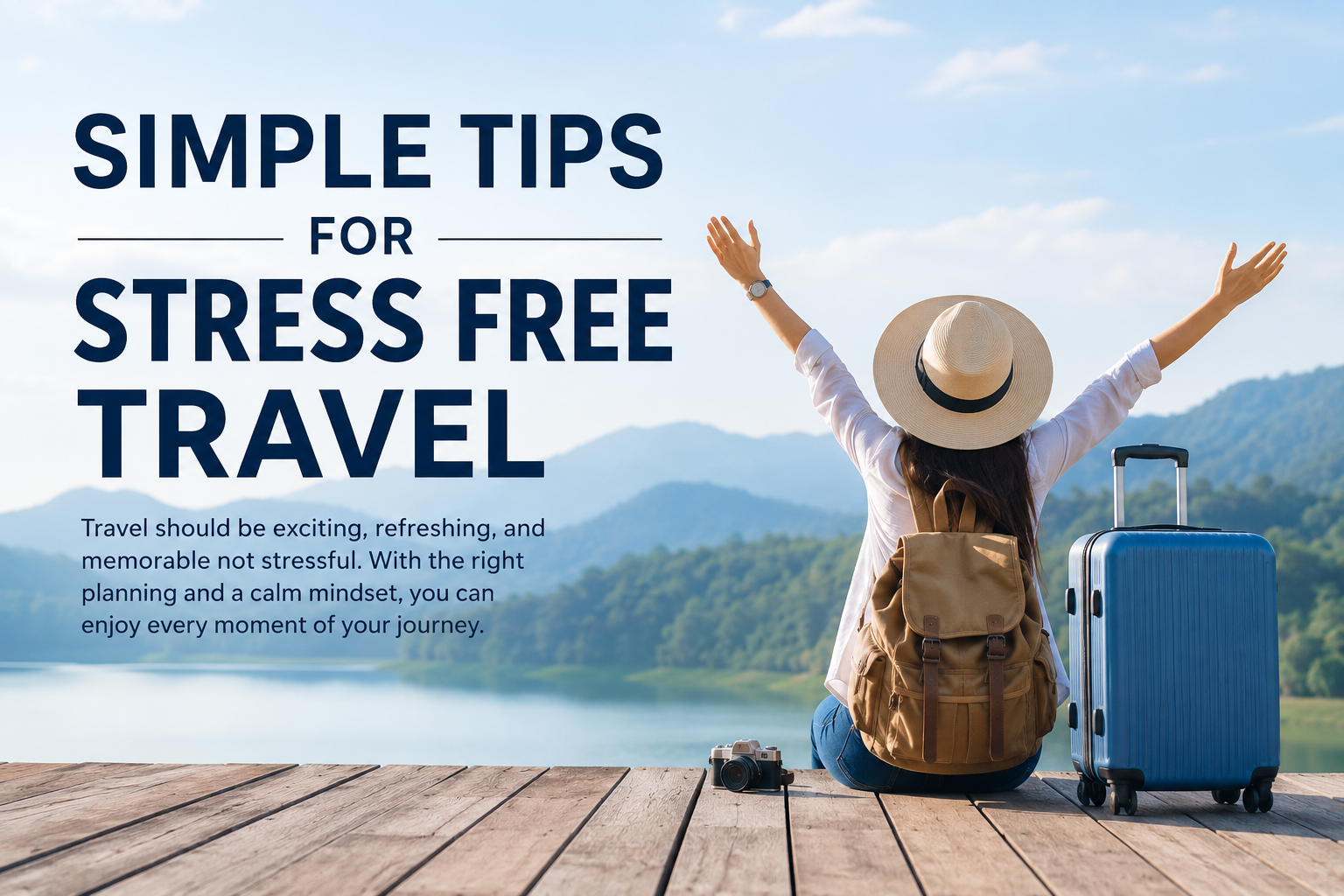
Traveling should be something we look forward to. It gives us a chance to take a break from our normal routine, see new places, meet different people, and create memories that stay with us for years. However, travel can sometimes become stressful when we do not plan properly. Delayed flights, heavy luggage, confusing schedules, lost documents, or simply trying to do too much in a short time can take away from the enjoyment.
From my point of view, stress free travel does not mean that everything has to go perfectly. Unexpected things can happen on almost every trip. The real goal is to prepare well, stay flexible, and avoid creating unnecessary pressure for yourself. Over time, I have found that a few simple travel habits can make a big difference.
Plan Your Trip Before You Leave
One of the easiest ways to reduce travel stress is to plan the important parts of your trip before leaving home. You do not need to plan every minute of your journey. In fact, overplanning can sometimes create more pressure.
I usually recommend making a simple plan that includes your transportation, accommodation, important activities, and approximate daily schedule. Check your flight or train details, confirm your hotel reservation, and make sure you know how you will reach your accommodation after arrival.
Having these basic details ready gives you confidence and makes the first part of your trip much easier.
Pack Only What You Really Need
Heavy luggage can make traveling much more difficult. Carrying several large bags through airports, train stations, hotels, and busy streets can quickly become tiring.
I prefer to pack according to the length and purpose of the trip rather than packing everything I might possibly need. Choose clothes that can be used for different occasions and avoid taking items that you rarely use.
Before closing your suitcase, look at everything you have packed and ask yourself whether each item is genuinely necessary. This simple habit can help you travel lighter and move around more comfortably.
Keep Important Documents Organized
Travel documents should always be easy to find. Your passport, identification, tickets, hotel information, travel insurance details, and other important documents should be kept in a secure and organized place.
I also recommend keeping digital copies of important documents on your phone or in a secure online storage service. A backup can be extremely useful if an original document is lost or damaged.
Do not put all your important documents in one place if you can avoid it. Keeping backups separately gives you another option if something goes wrong.
Arrive Early
One of the biggest causes of travel stress is rushing. Running through an airport because you arrived late can turn the beginning of a trip into a stressful experience.
I believe arriving early is one of the simplest travel habits anyone can develop. Give yourself enough time for traffic, security checks, check in, baggage drop, and unexpected delays.
Being early also gives you time to sit down, drink some water, check your schedule, and relax before your journey begins. A few extra minutes can make you feel much more comfortable.
Do Not Overload Your Itinerary
When visiting a new destination, it is tempting to see everything. We often create long lists of attractions and try to visit as many places as possible.
The problem is that this can make a vacation feel like work.
Instead of filling every hour, leave some free time in your schedule. Choose a few places that are genuinely important to you and allow yourself time to explore them without rushing.
For me, some of the best travel memories come from unexpected moments. Sitting in a local cafe, walking through a quiet street, or watching the sunset can sometimes be more enjoyable than following a packed schedule.
Check the Weather Before Traveling
Weather can have a major effect on your travel experience. Before leaving, check the expected weather at your destination and pack accordingly.
If rain is expected, carry suitable clothing or an umbrella. If temperatures are high, choose comfortable clothing and remember to stay hydrated. For colder destinations, make sure you have enough warm layers.
Checking the weather takes only a few minutes, but it can prevent many uncomfortable situations.
Keep Your Phone and Devices Ready
Modern travel often depends on our phones. We use them for maps, tickets, hotel information, communication, translation, photography, and emergency contacts.
For this reason, I always think it is important to charge electronic devices before traveling. A power bank can also be useful during long journeys.
Before leaving, download important maps or travel information when possible. This can help if your internet connection becomes unreliable.
Carry Some Basic Essentials
A small travel essentials bag can save you from unnecessary problems. Depending on your trip, you may want to carry basic toiletries, tissues, chargers, medication that you normally use, a reusable water bottle, snacks, and other personal necessities.
The idea is not to carry everything. It is simply about having the few things that can make your journey more comfortable.
I find that keeping these items together also makes packing and unpacking easier.
Give Yourself Time to Rest
Travel can be physically tiring, especially when you have long flights, road journeys, or multiple connections. It is easy to become exhausted when you try to continue sightseeing without taking breaks.
Rest should be part of your travel plan.
If you arrive at your destination after a long journey, give yourself some time to recover before starting a busy activity. Sleep properly when possible and listen to your body.
A relaxed traveler usually enjoys a destination much more than someone who is constantly tired.
Stay Flexible When Things Go Wrong
Even the best travel plan cannot control everything. Flights can be delayed, weather can change, roads can become crowded, and attractions can sometimes be closed.
When something unexpected happens, try not to let one problem ruin the entire trip.
I have found that staying flexible is one of the most valuable travel skills. If one plan does not work, look for another option. Sometimes an unexpected change can lead to a better experience.
The important thing is to focus on what you can control instead of worrying about what you cannot change.
Keep Your Money Secure
Money is another area where a little preparation can reduce stress. Avoid keeping all your cash in one place. Keep your cards and cash secure and be careful when using ATMs or making payments in unfamiliar places.
It can also be helpful to know approximately how much money you expect to spend each day. You do not need a complicated budget. A basic idea of your transportation, food, accommodation, and activity costs is enough to keep your spending under control.
Take Care of Your Health
Feeling unwell while traveling can make even a beautiful destination difficult to enjoy. Simple habits can help you stay comfortable.
Drink enough water, eat balanced meals when possible, get enough sleep, and take breaks during busy sightseeing days.
If you normally use specific personal health items, make sure you pack enough for the entire trip. Keeping essential items accessible is better than putting them deep inside your luggage.
Learn a Few Local Details
Before visiting a destination, learn a little about the local area. Knowing basic information about transportation, local customs, opening hours, currency, and common travel practices can make you feel more prepared.
You do not need to become an expert before your trip. Even a small amount of research can help you avoid confusion.
I especially like learning a few common words and phrases before visiting a place. A simple greeting or thank you can make communication easier and often creates a friendly connection with local people.
Do Not Compare Your Trip With Others
Social media can create unrealistic expectations about travel. We see beautiful photographs and exciting videos and may start thinking that our own trip needs to look exactly the same.
I believe travel is personal. Your perfect trip may be completely different from someone else’s.
Do not feel pressured to visit every popular attraction or create photographs that look like something you saw online. Enjoy the destination in a way that feels comfortable and meaningful to you.
Keep Emergency Information Handy
It is always sensible to know how to get help if an unexpected situation occurs. Keep important contact information accessible, including your accommodation details and relevant local services.
You should also know where your important documents and backup information are stored.
Being prepared for an emergency does not mean expecting something bad to happen. It simply gives you greater peace of mind.
Make Comfort a Priority
Small comfort items can make a surprisingly large difference during travel. A comfortable pair of shoes, suitable clothing, headphones, a neck pillow, snacks, or an eye mask can make a long journey easier.
Choose comfort over appearance when necessary. You are traveling to enjoy yourself, so there is no reason to make the journey harder than it needs to be.
Enjoy the Journey Instead of Chasing Perfection
Perhaps the most important tip for stress free travel is to stop expecting perfection.
A trip does not have to go exactly according to plan to be successful. Sometimes the most memorable stories come from delays, wrong turns, unexpected discoveries, and spontaneous decisions.
When I travel, I try to remember that the purpose is not simply to reach a destination. The journey itself is part of the experience.
If something goes wrong, take a breath and look at the situation calmly. Ask yourself what you can do next and move forward.
Final Thoughts
Stress free travel is mostly about preparation, realistic expectations, and a flexible mindset. You do not need an expensive travel plan or a complicated system to enjoy your journey. Simple habits such as packing light, arriving early, organizing documents, checking the weather, taking regular breaks, and leaving space in your schedule can make travel much easier.
From my experience and point of view, the best trips are not necessarily the ones where everything goes perfectly. They are the trips where you feel comfortable enough to enjoy the people, places, food, scenery, and small moments around you.
So before your next journey, take a little time to prepare, but do not forget to relax. Travel is meant to give you new experiences and memories. With a little planning and a calm attitude, you can make your next trip more comfortable, enjoyable, and stress free.