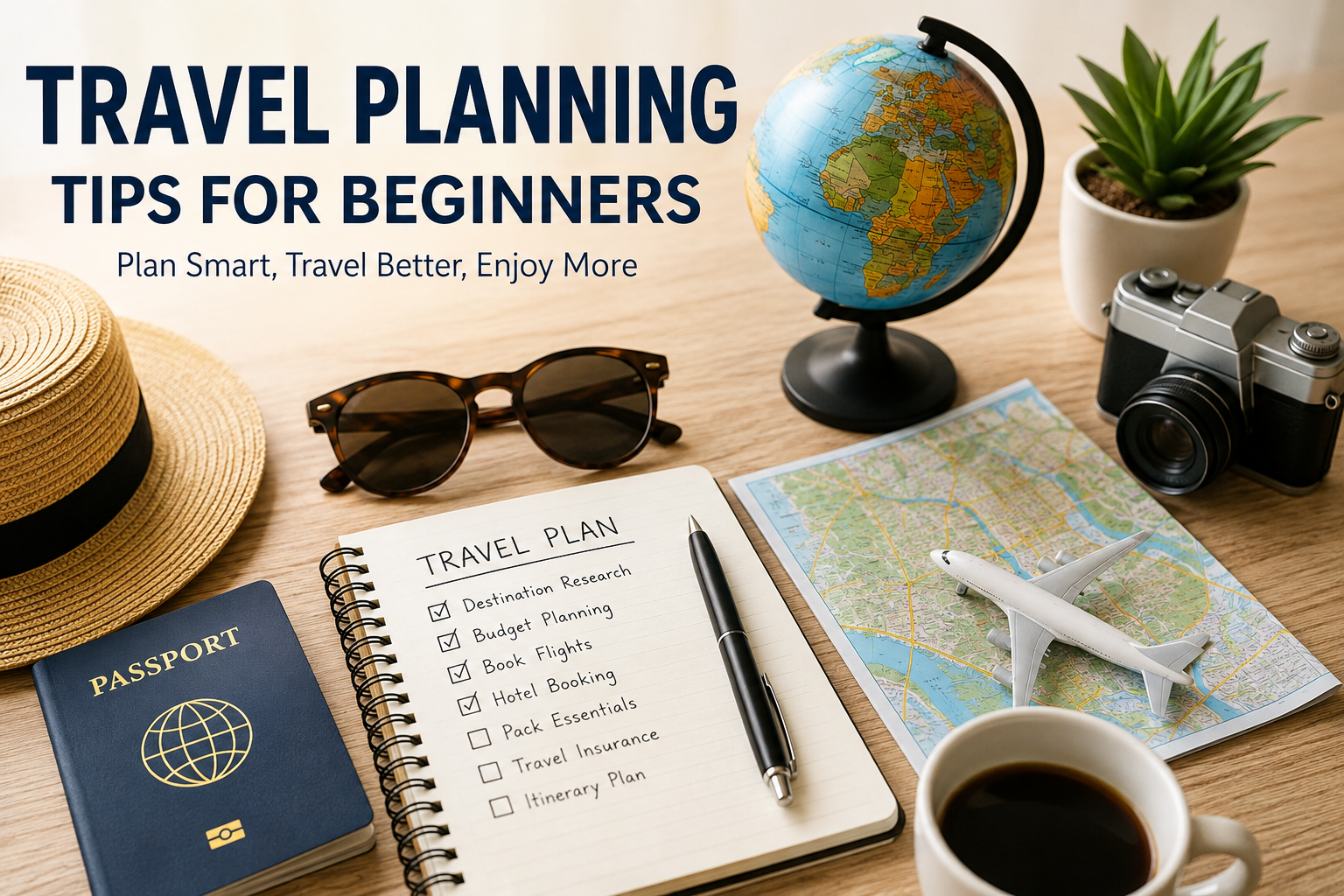
Traveling can be one of the most exciting experiences in life, but planning your first trip can also feel confusing. When I started learning about travel planning, I realized that a good trip is not only about choosing a beautiful destination. It is also about knowing your budget, arranging transportation, choosing the right place to stay, preparing important documents, and leaving enough time for unexpected situations.
In my opinion, beginners do not need a complicated travel plan. A simple and organized approach can make the entire experience easier and more enjoyable. Whether you are planning a weekend vacation, a family holiday, or your first international trip, these travel planning tips for beginners can help you prepare with confidence.
Start by Choosing the Right Destination
The first step in travel planning is deciding where you want to go. I recommend choosing a destination according to your interests, budget, available time, and comfort level.
For example, if you enjoy nature, you may prefer mountains, beaches, lakes, or national parks. If you enjoy history, museums, old buildings, and cultural places may be more interesting. Beginners should also think about how much time they have. Visiting several cities during a short trip can make the journey stressful.
I believe it is better to explore one destination properly than to rush through many places. Before making a final decision, research the weather, local transportation, popular attractions, accommodation options, and general travel costs.
Set a Realistic Travel Budget
Budget planning is one of the most important travel planning tips for beginners. Many new travelers focus only on the cost of flights or hotels and forget about other expenses.
When I plan a trip, I try to consider the complete cost. This can include transportation, accommodation, food, entrance tickets, local travel, shopping, travel insurance, and emergency expenses.
It is also useful to keep a small amount of money aside for unexpected situations. Prices can change, transportation can cost more than expected, or you may discover an activity that you really want to try.
A realistic travel budget helps you enjoy your trip without constantly worrying about money.
Research Before You Book Anything
Good research can save both money and time. Before booking anything, I like to compare different options instead of choosing the first result I find.
Research the best time to visit your destination, average hotel prices, transportation choices, local customs, and major attractions. Read recent traveler reviews and check whether the location of a hotel is convenient.
Location is especially important. A cheap hotel may not actually save money if it is far away from attractions and requires expensive transportation every day.
Doing a little research before booking can prevent many problems later.
Check Your Travel Documents
For international travel, documents should be one of your first priorities. Check your passport, visa requirements, identification documents, travel insurance information, and other documents that may be required for your destination.
Make sure your passport is valid for the required period before your trip. Visa rules can also vary depending on your nationality and destination, so always check official sources for current requirements.
I also recommend keeping digital copies of important documents. Store them securely so you can access them if the original documents are lost or damaged.
For domestic travel, identification and booking information should still be easy to access.
Book Transportation Carefully
Transportation can have a major effect on your travel experience. Depending on your destination, you may travel by airplane, train, bus, car, or a combination of different options.
When booking flights, do not look only at the ticket price. Check baggage rules, departure times, airport locations, layovers, and cancellation policies.
For beginners, I prefer simple travel arrangements whenever possible. A slightly more convenient option can sometimes be worth paying a little extra, especially when it reduces stress.
If you are traveling by train or bus, check the departure station carefully. Large cities sometimes have several stations, and going to the wrong one can create unnecessary problems.
Choose Accommodation Based on Your Needs
Choosing where to stay is another important part of travel planning. There are many options, including hotels, guesthouses, hostels, apartments, and vacation rentals.
Your choice should depend on your budget and travel style. If you plan to spend most of your day exploring, you may not need an expensive hotel with many facilities.
For me, cleanliness, safety, location, and reliable reviews are more important than luxury when choosing basic accommodation.
Before booking, check what is included in the price. Breakfast, Wi Fi, parking, taxes, and other services may affect the final cost.
Make a Simple Travel Itinerary
A travel itinerary helps you organize your days, but I do not recommend planning every minute.
A simple itinerary can include the places you want to visit, approximate times, transportation information, and important reservations. Leave some free time between activities because unexpected delays are common.
For example, instead of planning five attractions in one day, choose two or three main places and leave the rest of the day flexible.
This approach gives you more freedom. You can enjoy a local restaurant, spend extra time at an interesting attraction, or simply rest when you feel tired.
Learn About Local Transportation
Understanding local transportation before arriving can make your trip much easier. Research whether your destination has buses, trains, taxis, ride sharing services, metro systems, or other transportation options.
I usually recommend learning how to reach your accommodation from the airport, train station, or bus terminal before leaving home.
Save important addresses on your phone and keep the accommodation address available offline if possible.
Knowing your transportation options also helps you estimate your daily travel budget.
Pack According to the Destination
Packing is easier when you understand the weather and activities at your destination. Beginners sometimes pack too much because they are worried about forgetting something.
I prefer packing practical clothes that can be used for different situations. Check the expected weather before your trip and choose comfortable shoes if you expect to walk a lot.
Remember important items such as medications you normally use, chargers, travel documents, personal hygiene products, and any special equipment required for your activities.
Avoid filling your suitcase with things you probably will not use. Traveling with less luggage can make airports, public transportation, and hotel changes much easier.
Keep Emergency Information Available
Even when everything is carefully planned, unexpected situations can happen. That is why emergency preparation is an important part of travel planning for beginners.
Keep emergency contacts, accommodation details, insurance information, and important documents accessible.
If you are traveling internationally, learn basic information about local emergency services. It is also useful to know the location of your country’s embassy or consulate when appropriate.
I believe preparation does not mean expecting something bad to happen. It simply gives you confidence if something unexpected occurs.
Download Useful Travel Apps
Your smartphone can be a valuable travel tool. Before leaving, consider downloading maps, translation tools, transportation apps, booking apps, and currency conversion tools that are useful for your destination.
Save important information offline when possible. Internet access may not always be reliable, especially when traveling through rural areas or when you first arrive in another country.
I also recommend keeping your phone charged and carrying a power bank if you expect to spend long hours outside.
Learn a Few Local Customs
Travel is not only about seeing new places. It is also about respecting different cultures.
Before visiting a destination, learn a little about local customs, dress expectations, greetings, dining habits, and general behavior. Something that is normal in your home country may be considered disrespectful somewhere else.
Learning a few common words in the local language can also be helpful. Even simple expressions such as hello, thank you, please, and excuse me can make interactions more pleasant.
Respecting local culture can make your travel experience more meaningful.
Do Not Try to Make Everything Perfect
One of the most important lessons I have learned about travel planning is that no trip goes exactly according to plan.
A flight may be delayed. A restaurant may be closed. The weather may change. You may discover a place that was not included in your original itinerary.
Instead of becoming frustrated, I think it is better to stay flexible. Some of the best travel memories can come from unexpected experiences.
Planning gives you direction, but flexibility gives you freedom.
Keep Your Plan Simple
Beginners often think that a detailed plan means a better trip. In my experience, that is not always true.
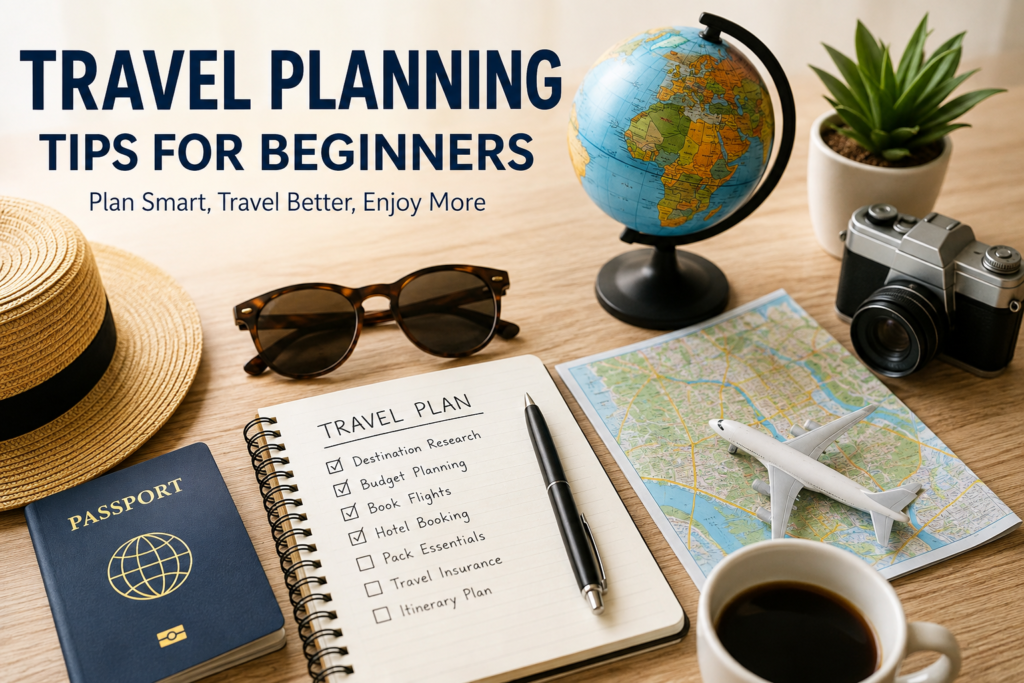
A useful travel plan should answer the most important questions. Where am I going? How will I get there? Where will I stay? What is my budget? What places do I want to see? What documents do I need?
Once these basics are organized, you can enjoy the rest of the trip without constantly checking a complicated schedule.
Final Thoughts
Travel planning for beginners does not have to be difficult. The key is to prepare the important things early and keep your plan realistic.
Start by choosing a destination that fits your interests and budget. Research the location, check your documents, arrange transportation, choose suitable accommodation, create a simple itinerary, and pack according to the weather and activities.
Most importantly, give yourself room to enjoy the experience. A successful trip is not measured by how many places you visit. For me, the best trips are the ones where I feel comfortable, discover something new, meet interesting people, and return home with good memories.
If you are planning your first trip, start small, stay organized, and do not be afraid of making mistakes. Every journey teaches you something, and with each trip, travel planning becomes easier and more enjoyable.